Wheelchair Challenge a learning experience

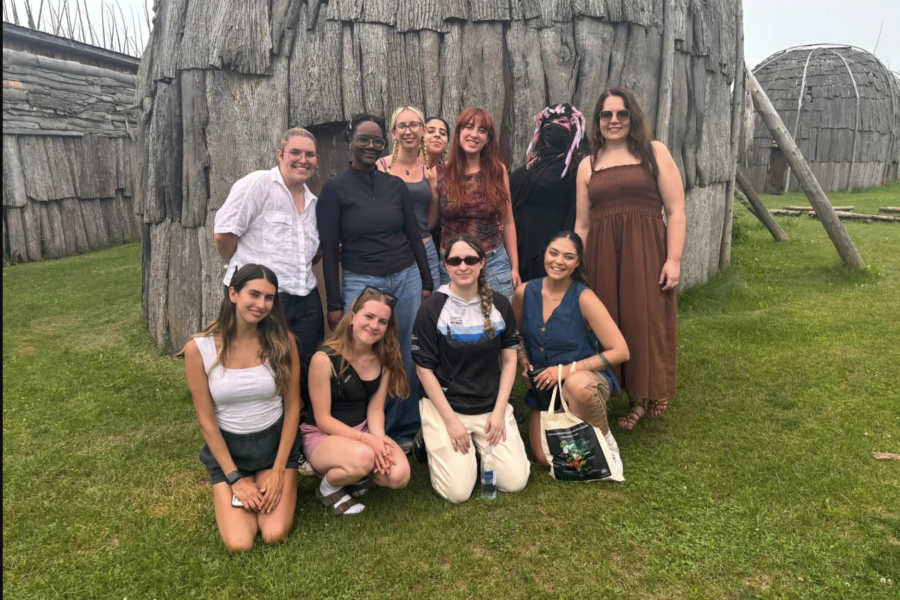
Courtesy Connecting Horizons
As part of last week’s Disability Awareness Week activities, six members of organizations in the community took part in the Wheelchair Challenge, facing a normal day’s work from the perspective of someone who needs to use a wheelchair in their everyday life.
Here’s what each of them had to share about their experiences.
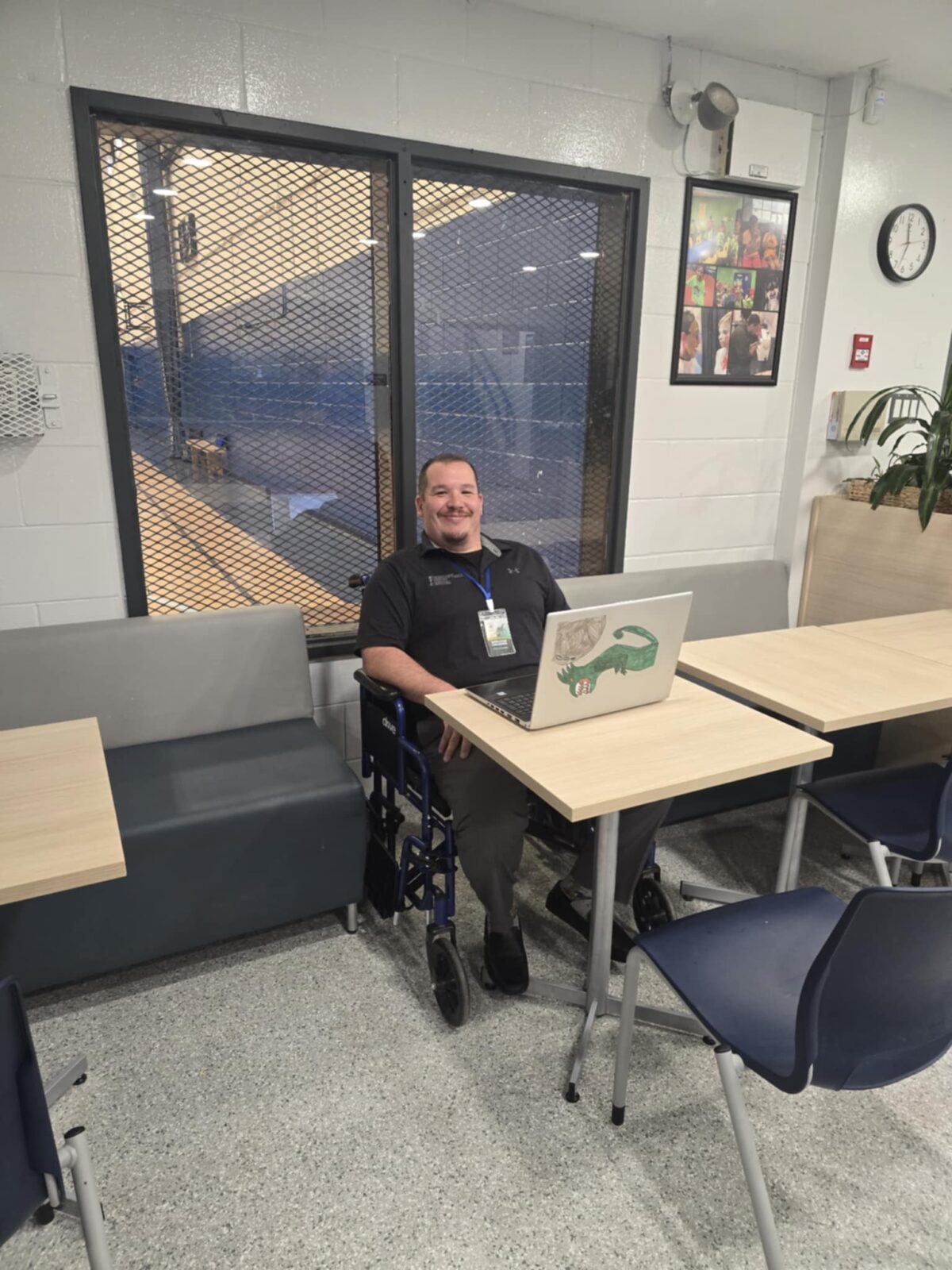
Kyle Zacharie. Courtesy Kyle Zacharie
Kyle Zacharie
Going into the challenge, the executive director of the Kahnawake Youth Center (KYC) knew that this was going to be a particularly difficult day at the office.
“That building is not accessible at all. I spent the entire day on the first floor, basically going from our lobby to the kitchen where I set up my computer and I worked from. Obviously, it’s not ideal,” said Zacharie.
The lack of accessibility options in the KYC building has been a known issue, one that they have been working with Connecting Horizons to solve as they are in the feasibility study phase of a new space for the youth center.
That discussion with Connecting Horizons is what led to Zacharie accepting the challenge of being in the chair for the day.
Even though he knew that it would be tough, he still found it a revealing experience.
“The chair they gave me was not one that I could really roll around on my own. I needed some assistance. Having some of my staff push me here, push me there, or try to get out of one room into another room, it was eye-opening to see what a day is like for somebody in a wheelchair,” said Zacharie.
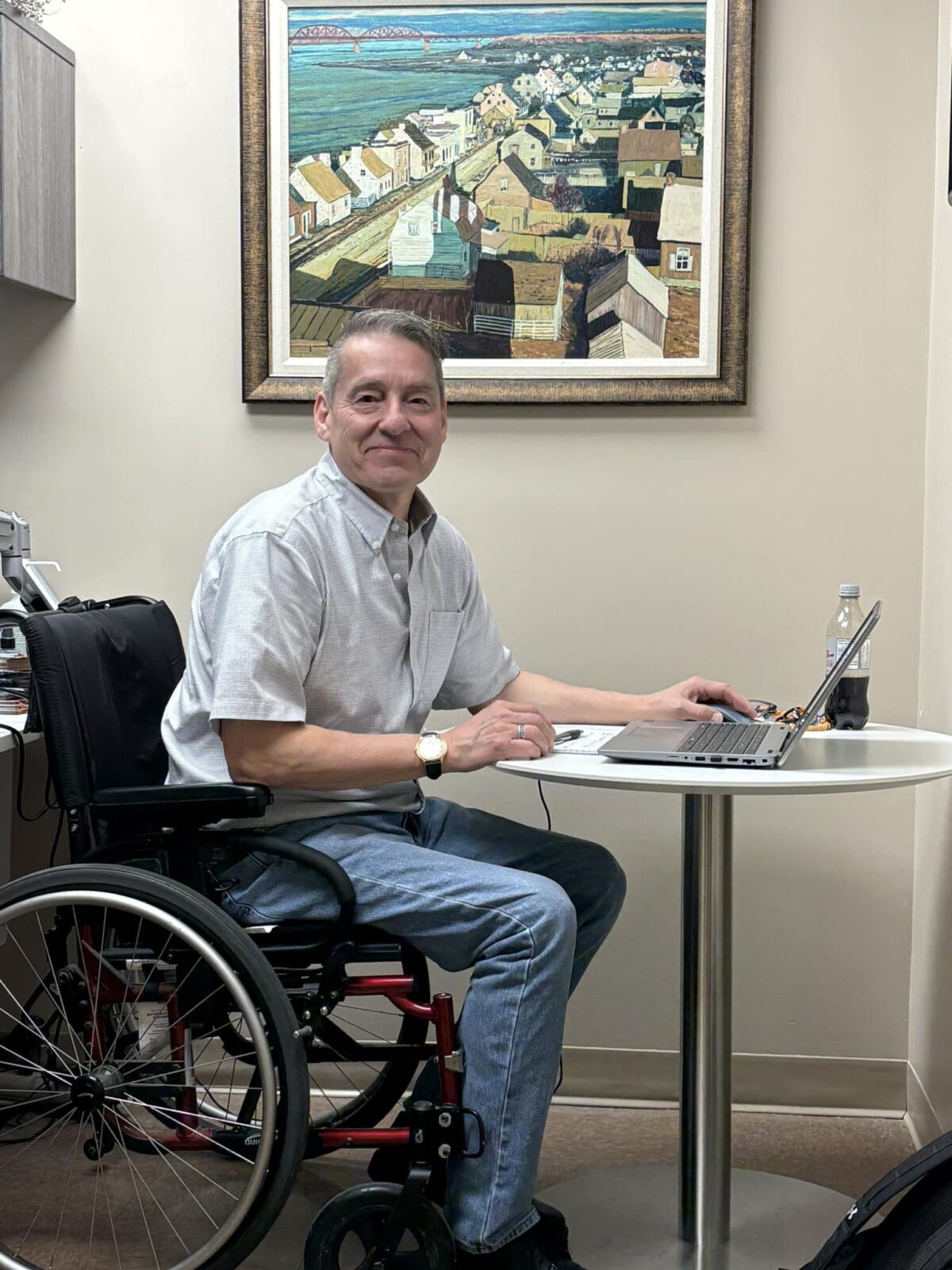
David Diabo. Courtesy Mohawk Council of Kahnawake
David Diabo
Mohawk Council of Kahnawake (MCK) chief David Diabo accepted the challenge, as the reality of being in a wheelchair every day is one that hits close to home for him.

“I volunteered for the challenge as I have a stepdaughter that suffers from Pallister-Killian Syndrome and is herself wheelchair bound. That is what underscored my challenge,” said Diabo.
He also had an uncle who needed a wheelchair. He remembered an incident where he had trouble getting into a restaurant, with no assistance with a door until Diabo himself opened it for him.
He found that some everyday annoyances were magnified by the chair: a folded over rug blocking the wheels, not being familiar with the elevator in the MCK building and it not having automatic lights as he made his way to an office on the second floor, and even just going outside to enjoy the weather with his colleagues.
“I made it there okay, but they had to help me navigate the curb and climb the slight slope to the picnic table,” said Diabo.
“It wasn’t exactly rough for me, as I’m in pretty good shape, but it definitely was an eye opener on how the smallest things can potentially be a real challenge for those who permanently rely on a wheelchair to get around.”

Jeci Goodleaf. Courtesy Jeci Goodleaf
Jeci Goodleaf
K1037 Radio host Jeci Goodleaf learned a lot from her day in a wheelchair, including that there are different kinds.
“When they came, I said ‘Hey, where’s my wheel to push myself?’ They said ‘No, you’re going to have to pull with your legs,’” said Goodleaf. The wheelchair she was given is used by people with epilepsy or other conditions that might require long periods of sitting but who can otherwise use their legs without issue.
She also learned that what is and is not accessible can quickly change once you are actually in need of it.
“My building, I always thought it was wheelchair accessible. I thought it was up to par, until I had to sit in the chair. And then I was like, wow, we’ve got a little bit of work to do,” said Goodleaf.
She received help throughout the day, including to get into her car for a drive-through lunch to keep the experience of being in a chair. She admitted that she felt bad about having to ask for it.
“I felt like I was bothersome. I felt like I was getting annoying,” said Goodleaf.

She hopes students will participate in the future so that young people can learn from the experience as well.
“I think this is an amazing thing that needs to continue, and we need to get bigger and more organizations every year, because it’s just such a learning experience,” she said.
Trudy Jacobs. Courtesy KSCs
Trudy Jacobs
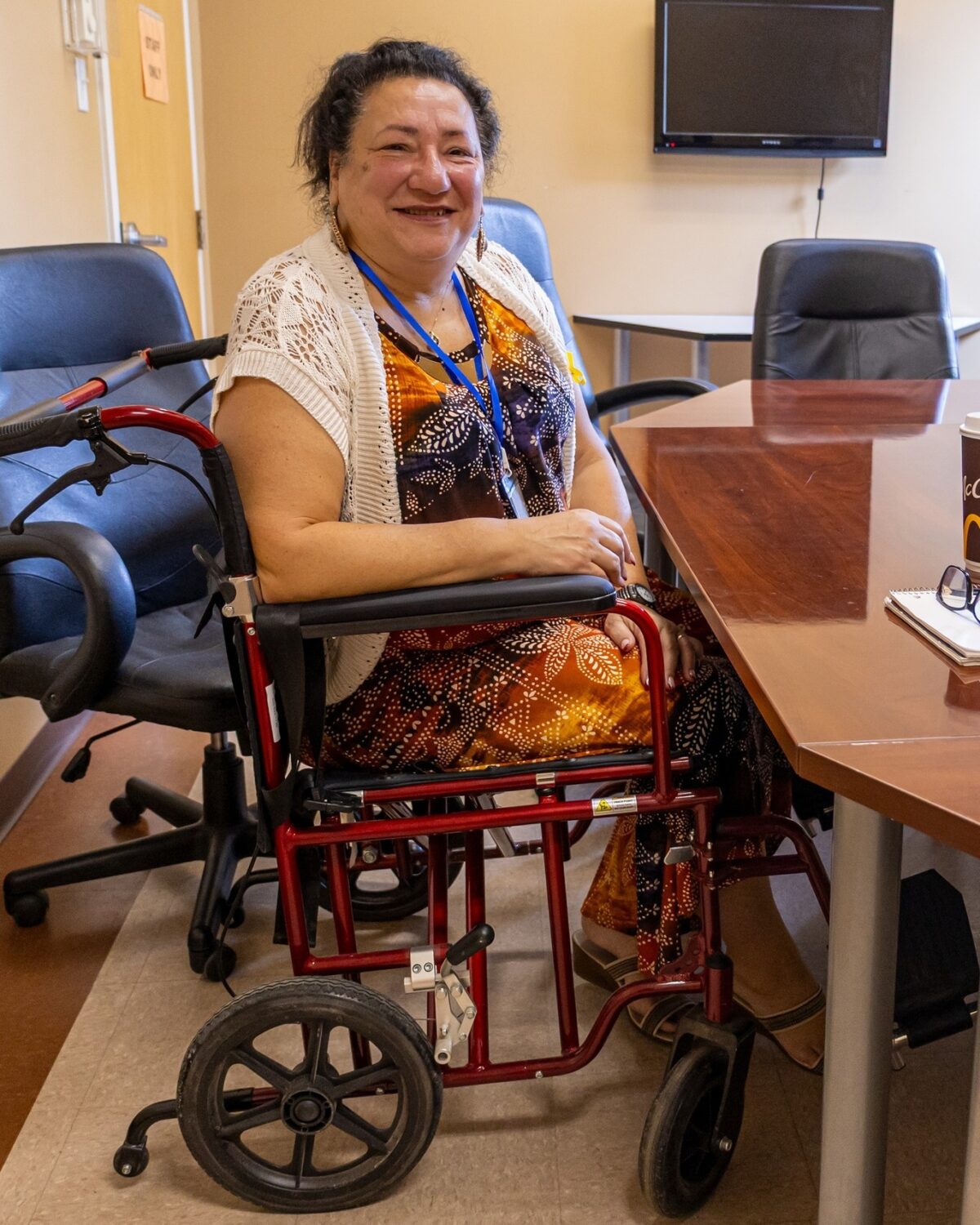
Kahnawake Shakotiia’takehnhas Community Services (KSCS) parenting support worker Trudy Jacobs took part to experience firsthand what a day is like in a wheelchair.
“I believe that this population is under-represented and needs to have more focus on providing equal access to all. Connecting Horizons is trying their best to make Kahnawake a more inclusive and accessible community,” said Jacobs.
Jacobs had a wheelchair similar to Goodleaf’s, where she was pulling herself with her legs.
“It was very difficult. I used my hands and arms to grab anything I could to help navigate. I hit every door frame as these were not wide enough for me to cruise through,” said Jacobs.
She found the experience enlightening, if also frustrating in many parts. She could not go upstairs to talk to colleagues, the distance between herself and her mouse and keyboard at her desk was not ideal, the meeting space she was in made the chair awkward to use, and the walk-in fridge they have has a one-inch lip that made navigating the chair inside impossible.
“Thankfully my salad was within arm’s reach. Otherwise, I would have had to call someone to help me,” said Jacobs.
“I can only imagine how frustrating it is for people who are wheelchair bound, experiencing barriers on a daily basis, unable to do as we who are able-bodied take for granted.”
Cheryl Zacharie-Foot. Courtesy KSCs
Cheryl Zacharie-Foot
Sign up for email updates from The Eastern Door
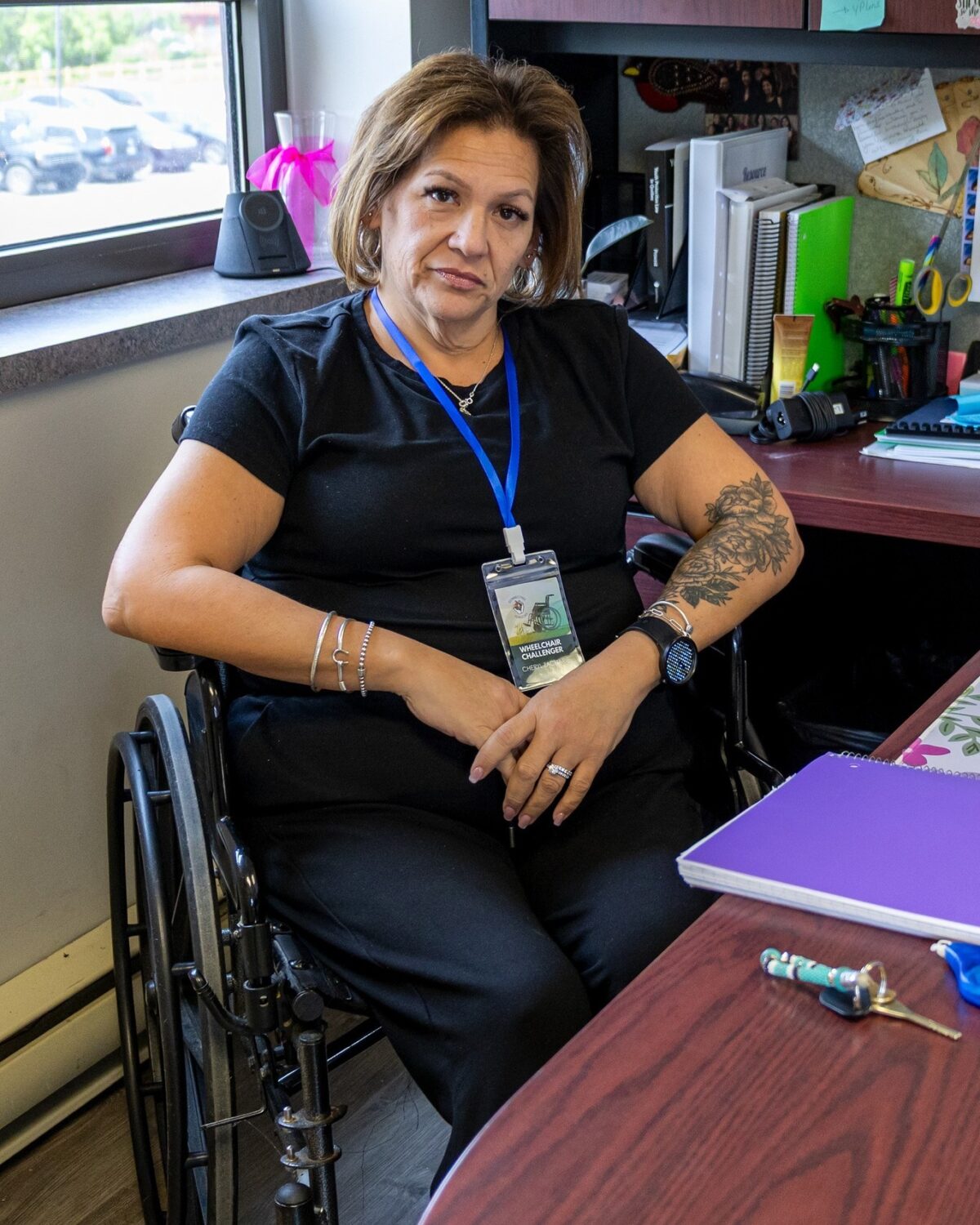
Similarly to the other participants in the challenge, the director of KSCS’s Family Preservation (Clinical) Services found many tasks that seem trivial for many people to be challenging in the wheelchair.
“Taking part in the Wheelchair Challenge was truly eye-opening. You don’t realize how many barriers exist until you experience them yourself. Simple things like getting a coffee, using a washroom, or reaching for everyday items became real challenges. These small moments made me realize how much we take for granted and how important accessibility and inclusivity is,” said Zacharie-Foot.
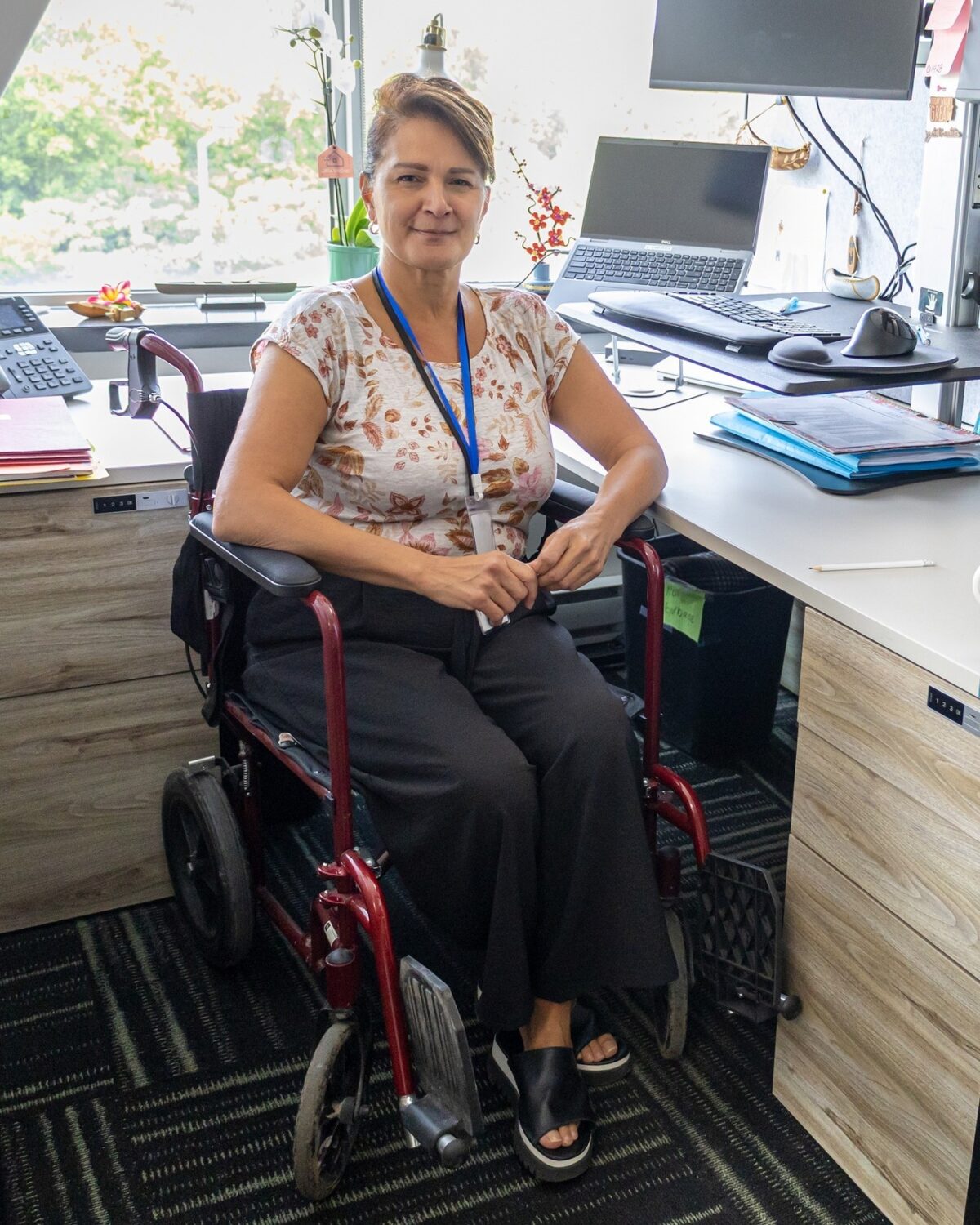
Louise Lahache. Courtesy KSCs
Louise Lahache
Lahache, a human resources generalist for KSCS, said that she was hoping to gain firsthand experience in a wheelchair to better put herself in the shoes of those who need them.
“I believe this will help me become more empathetic and mindful, both in the office and in everyday situations, especially when interacting with colleagues or others who use wheelchairs,” said Lahache.
On top of facing similar challenges to the other participants, just getting into the building was more trouble than expected.
“The transitions weren’t as smooth as expected. Since I was entering alone, I had to go in backwards to avoid tipping over, which was both surprising and unsettling,” said Lahache.
She thinks that doing the challenge again, this time in the winter, would be a useful exercise.
“I also think repeating the challenge during the winter months would add another layer of difficulty, giving even more insight into the seasonal challenges people with mobility issues encounter,” she said.