Teaching the youth how to hunt
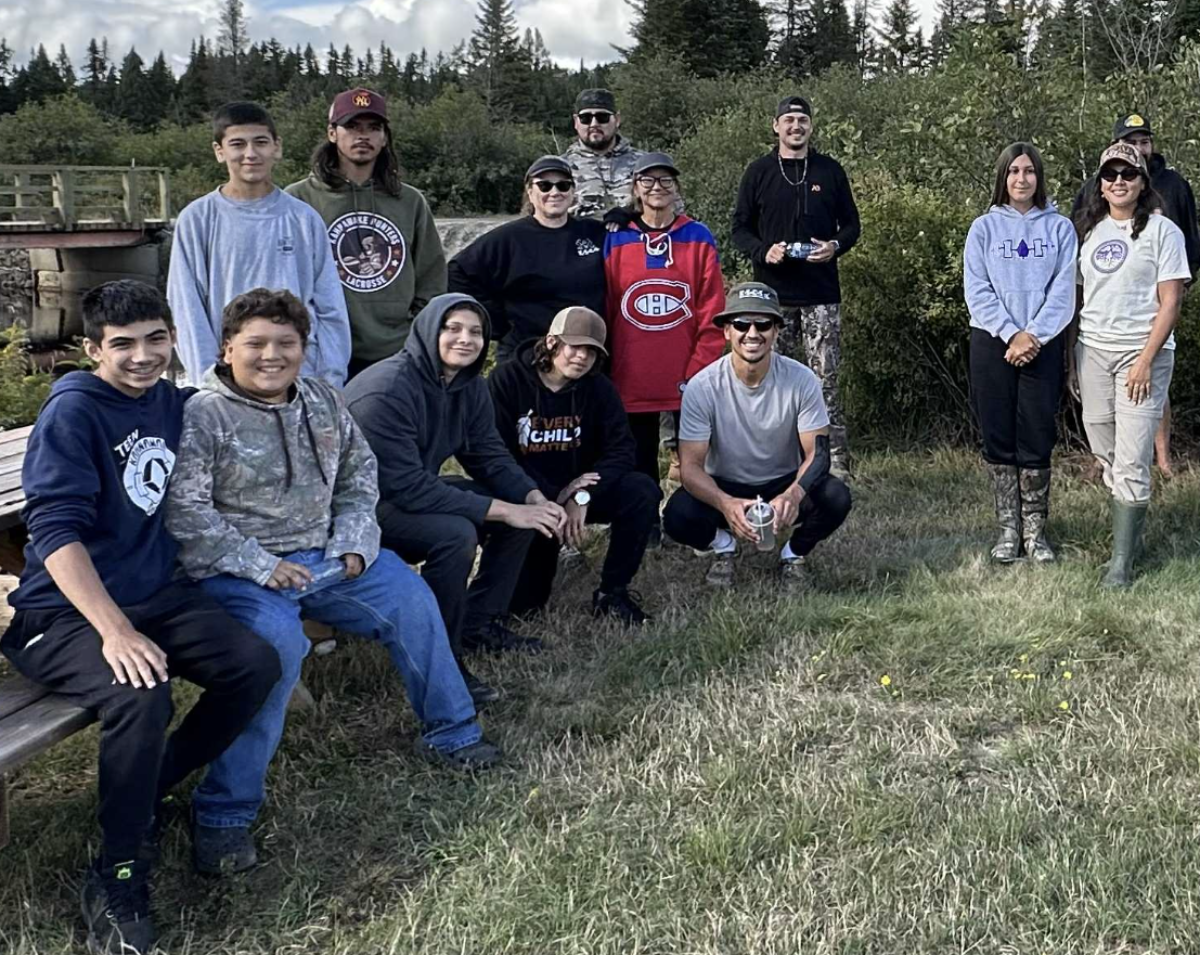
Youth have been bonding throughout a three-part hunting series led by KSCS and Tkà:nios. Courtesy Brooke Rice
Growing up, Brandon Rice often wanted to connect with the land through hunting or fishing, but he found himself lost without a mentor figure to show him the ropes.
Over time, he sought out people that would teach him traditional ways of trapping and hunting, even taking initiative and sometimes learning on his own.
Now, as one of the traditional youth facilitators at Kahnawà:ke Shakotiia’takéhnhas Community Services (KSCS), he’s determined to give back, joining forces with the team at Tkà:nios to organize a three-part hunting series for local youth, where the next generation of Kahnawa’kehró:non learn every step of the process, from planning the hunt to the harvest.
“It’s been about providing an opportunity for them to learn what’s out in the wilderness in Tioweró:ton and provide them with skills and knowledge of the territory, and those different practices that go along with hunting and being an outdoorsman,” Rice said.
“There was definitely a need for this, where youth wanted to do those things, but they didn’t know how to get started or go beyond the barriers in front of them. The barriers I experienced and had to get around are what they’re experiencing as well, so I wanted it to be an outlet for them to learn things properly through a mentor like myself, or the people that I work with.”

It’s the first collaboration between KSCS’s traditional wellness team and Tkà:nios, a community organization led by Brooke Rice. Brooke said she’s passionate about giving youth the tools they need to be able to engage with the land.
“Not every youth has relatives who hunt, but through this series they are finding their way back to our foodways, and passing down foodways is essential for identity, wellness, and survival,” she said. “When our young people connect to the land, they build a relationship of care and protection for the future.”
The series started with a session led by Brooke, Spencer Lyons, Ashley Morris Lyons, and Jeremy Thompson, which was focused on how to harvest and dry oinkwa’on:we (tobacco) and use it with gratitude and intention while hunting.
Youth took those lessons with them for the second part of the series, where Brandon and fellow KSCS facilitators Athroho Rice and Jeremy Thompson guided youth through hands-on skills activities in Tioweró:ton, including how to read the land, setting up camp, moving quietly, tying knots, and navigating using natural markers.
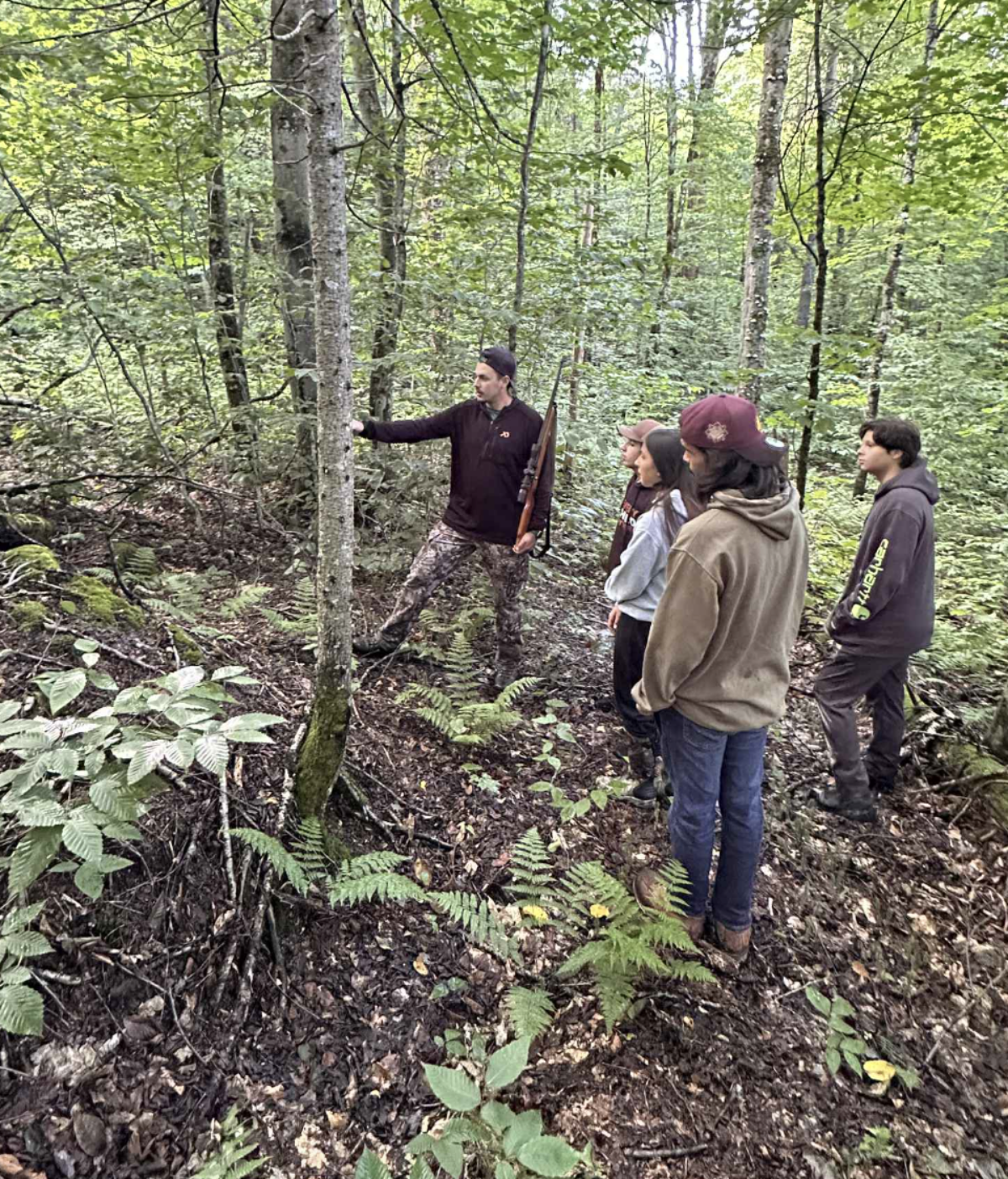
A key focus of the series has been preparing youth thoroughly for every stage of the hunt, diving into topics like first aid in the forest before they’re ready for the main hunt. Courtesy Brooke Rice



Seven youth headed out for the experience, completely unphased by the rainstorm that battered their tents through the night.
“Just seeing them sit around the fire at night when the dark was starting to set in, watching them have fun with each other and tell jokes and stories, it was really nice to see,” said Brooke.
“If someone wasn’t too good at setting up a tent, someone would say ‘Oh, this is how you do it,’ and they really helped each other. There was just such a sense of collaboration and camaraderie.”
The team also taught the youth about health and safety while hunting, sharing lessons about harm reduction, how to do CPR, and how to prevent ticks while in the wilderness.
“It’s really empowering to just create this kind of safe space for our youth to come together and embark on this journey about learning about our foodways and our roles and responsibilities to each other and to the land,” she said.
Sign up for email updates from The Eastern Door
“It was just nice to see the guys all come together and be healthy role models for the youth in an accessible way.”
The group plans to complete the third part of the series next week, heading up to Tioweró:ton on Friday evening and returning on Sunday evening.
“That’ll be the actual hunt, so we’ll be hunting for moose, deer, bear, small game, whatever really - but our main goal is to hunt moose,” Brandon said. “It’s a real hunt now. It’s going to be them really experiencing what we get to do every hunting season.”