Tattoo gathering draws meaningful ink
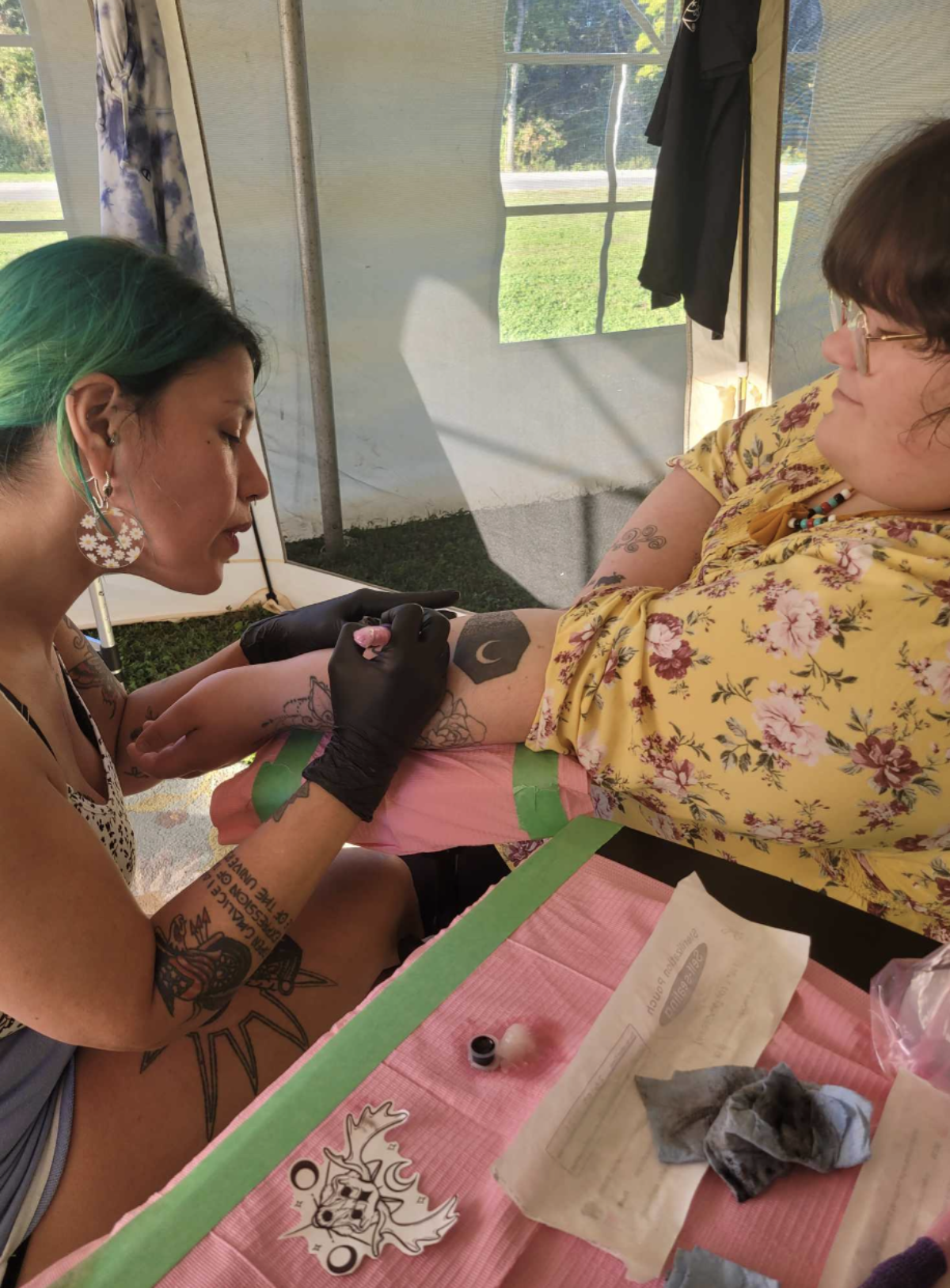
As the last artist pricked their final dot of ink into a community member’s skin at midnight on Sunday, Karonhienhawe Nicholas breathed a sigh of relief, reflecting on another successful year of the annual Kanehsatà:ke Traditional Indigenous Tattoo Gathering.
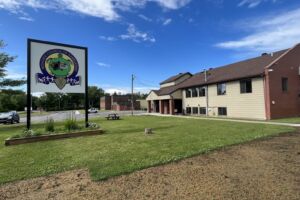
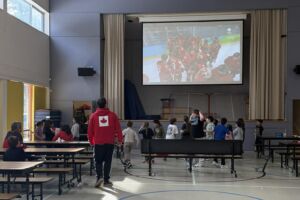
Though Nicholas, who organized the event, didn’t get much sleep last weekend, she said it was all worth it to see so many people gathered, sharing in the medicine of giving and receiving traditional tattoos at the Community Centre last weekend.
“There was a lot of laughter. That was one of my favourite things, just to hear the laughter,” Nicholas said. “It’s just lovely. And the people that come in leave so happy with just wonderful smiles on their faces. They’re so content. It’s so nice to be able to do that for people, it’s very meaningful.”
Nicholas tattooed at the event, with one of the most meaningful pieces she did being for a father who wanted the name of his adopted daughter tattooed on his chest in Inuk.
The process of physically tattooing the piece was profound, Nicholas said. For others, like Kahnawa’kehró:non Katsitsahente Cross-Delisle, receiving a tattoo at the gathering was pure good medicine.

She received a tattoo of bear paw prints from artist Miciah Stasis-Harding, who is from the Herring Pond Band of Wampanoag in Massachusetts. The paw prints sit right next to lightning bolts that she received from Stasis at last year’s gathering.
Cross-Delisle said the paws represent three important archaeological and ancestral events in her career as an archaeologist, as well as her clan.
“The experience was really great. (Stasis-Harding) is such an amazing artist and makes the entire experience so special and intimate. I always enjoy sharing our traditional knowledge throughout the process, and seeing the similarities and differences in our cultures,” Cross-Delisle said.
Just like last year, Cross-Delisle was once again struck by the potential connection between her community and Stasis’, and said she felt that ancestral tie throughout the process.
“We imagine how our ancestors must have worked together and shared knowledge in the past – we made wampum belts, and they made wampum, so to think our ancestors didn’t interact is hilarious,” Cross-Delisle said. “So it was an honour to receive my traditional markings from such a talented woman and respected sister.”
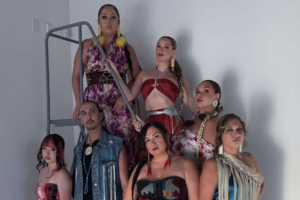
Lia Marie Beauchamp also tattooed at the event. Beauchamp is Mohawk, Lakota Sioux, and Cherokee on her father’s side, and tattooing was a way for her to connect with her culture.
It was her second year tattooing at the Kanesatake gathering.
“I really got to connect with the other artists and vice versa, and the time that we had to spend with the people that were coming for the medicine really allowed us to focus on them and hear their story,” she said.
Beauchamp did four tattoos, and said that as someone who is half-white, she was able to connect with others in her situation who had also been disconnected from their Indigenous identity in the past.
“One person was going through her journey of finding out that she was Indigenous at a later age and really immersing herself in the culture,” Beauchamp said.
“I really felt the power of how we were all there to heal.”
Sign up for email updates from The Eastern Door
Next year, Nicholas hopes the gathering will be back on the powwow grounds, and said she’s committed to planning earlier to ensure the location more in advance.
Cross-Delisle said that regardless of where the gathering physically is, she’ll be there, and she looks forward to watching the resurgence of traditional tattooing.
“It was inspiring to see the women from Kanesatake put this event on and continue the tradition of it. I look forward to next year and I hope other communities get inspired to do more traditional tattoo gatherings,” she said.
“There was so much that was lost through colonization, and these gatherings are our opportunities to reignite the flame which is our culture.”