Screaming Chef takes a seat at the table
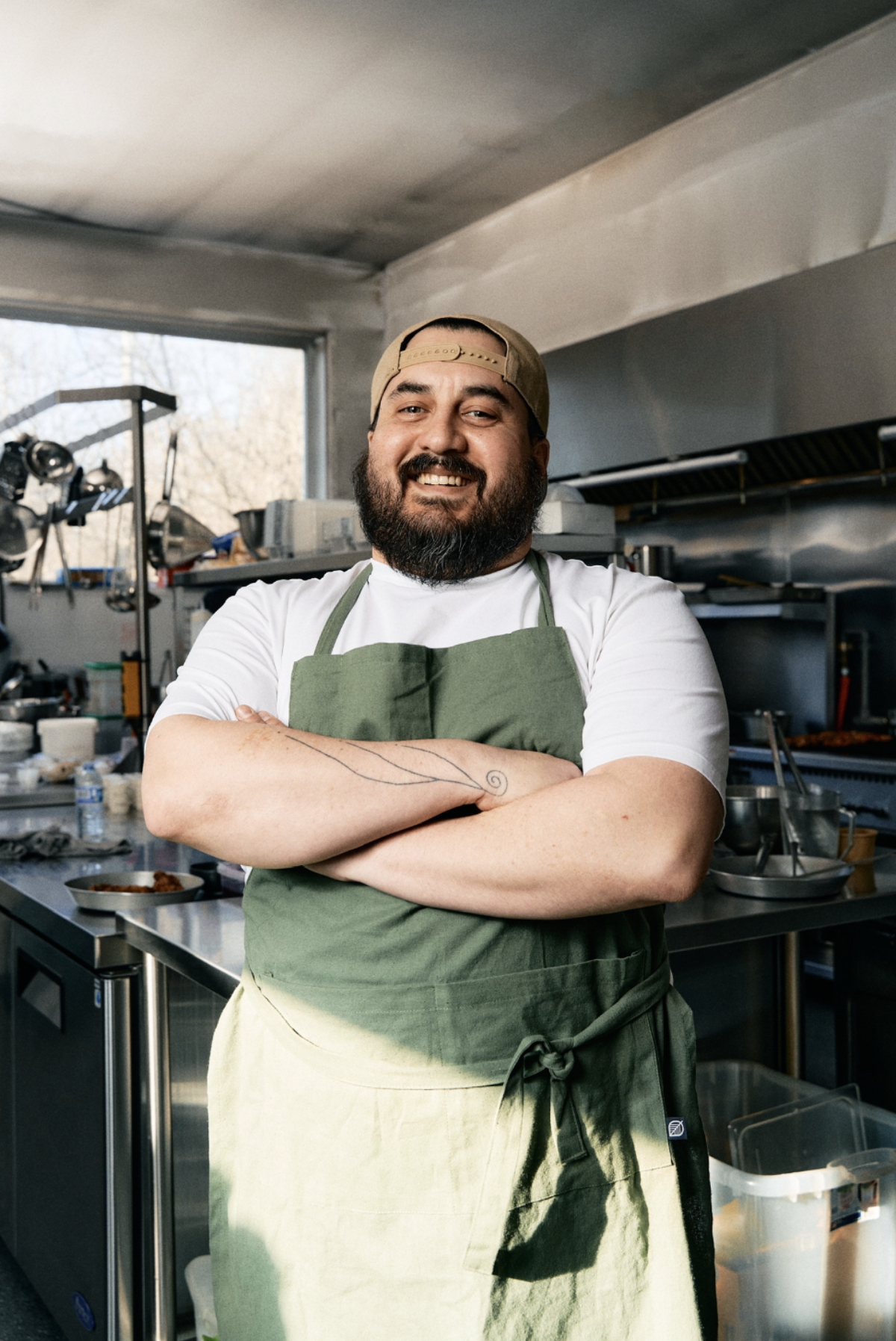
Ryland Diome prepared a dish for the Montreal en Lumiere festival this week, telling a story about the history of Indigenous peoples on the plate. Courtesy Ryland Diome
When Ryland Diome, the chef behind Kahnawake’s own Screaming Chef Cuisine, was asked to prepare food as part of a 10-dish meal honouring Montreal’s Expo 67, a flurry of ingredients started rushing through his mind.
Known for using berries often in his sauces, Diome thought up flavour profiles to impress guests at the Montreal en Lumiere festival, organized in partnership with Tourism Quebec. The event brought together Indigenous chefs to dream up a vibrant menu for 60 guests – an exclusive $350 high-end dinner ticket at La Toundra, located in Jean Drapeau Park.
“It really means everything to me,” said Diome. “It’s why I do this, it’s not about me, it’s about our representation in the food world.”
The event itself was an ode to another iconic meal that took place at La Toundra, this time during the 1967 International and Universal Exposition, also known as Expo 67. Back then, a menu featuring dishes from across Canada was offered to guests – which included dishes of Indigenous origin, like beluga whale meat.
The 2026 menu prepared for Montreal en Lumiere aimed to honour and build upon that menu, under the title Crossed Territories, paying homage to the blends of cultures that make up the culinary scene in Montreal and surrounding areas. Diome was put in touch with renowned chef Antonin Mousseau-Rivard, who owns the famous restaurant Le Mousso in Montreal, who asked Diome to bring his perspective as a Kanien’kehá:ka chef to the menu.

“He said, ‘I want you to shock people, and I want them to be uncomfortable,’ and it was refreshing to hear him say something like that,” Diome said. “I told him, ‘You’ve come to the right person.’”
When dreaming up his dish, Diome knew he wanted to make something that not only tasted great, but made patrons think. He started by reflecting on what’s close to home, settling on sturgeon as the base of his dish, inspired by the stories his grandmother would tell him as a child about helping her fisherman father.
He decided the sturgeon would represent Indigenous people, and thought about how to tell a story on the plate, turning next to haskap berries, which produce a deep purple juice and complex flavour.
It wasn’t just the ingredients that expressed a narrative – Diome layered the dish on a circular plate intended to represent a communion wafer, a commentary on the role of the Catholic church in the genocide of Indigenous people.
“The sauce across the sturgeon represented the blood of all the Native Americans that had been killed in the name of God,” he said. “It makes people uncomfortable and it makes people think. It’s something that happened, and the sooner we can realize and accept that truth, the sooner we can potentially come to reconciliation.”



Initially scheduled for last weekend, the event was pushed to Monday, and Diome was unable to attend the dining portion due to scheduling conflicts. Nonetheless, he said preparing his meal was an eye-opening experience, and he was inspired by Mousseau-Rivard throughout the process.
“I came to him with ideas about my dish and he helped me elevate them to a high-end status, which I’m less familiar with.” Diome said. “It makes me realize, wow, I’m doing it, I’m getting there.”
Diome was joined by other major players from the Montreal culinary world, including Antonio Park of Park Restaurant, Francis Blais of Menu Extra, and Stéphanie Labelle of Rhubarbe. He said it was special to represent not just Kahnawake, but Indigenous chefs in general at the event.
“Montreal is such a culinary hotbed of the world, we’ve got so many cultures in there, so why the hell are we not there?” he said.
“I’ll blaze these trails and take the chance to put myself out there and put in the work so other people can come up behind me. That’s really what I want more than anything.”
Sign up for email updates from The Eastern Door