Proposed expansion of language laws
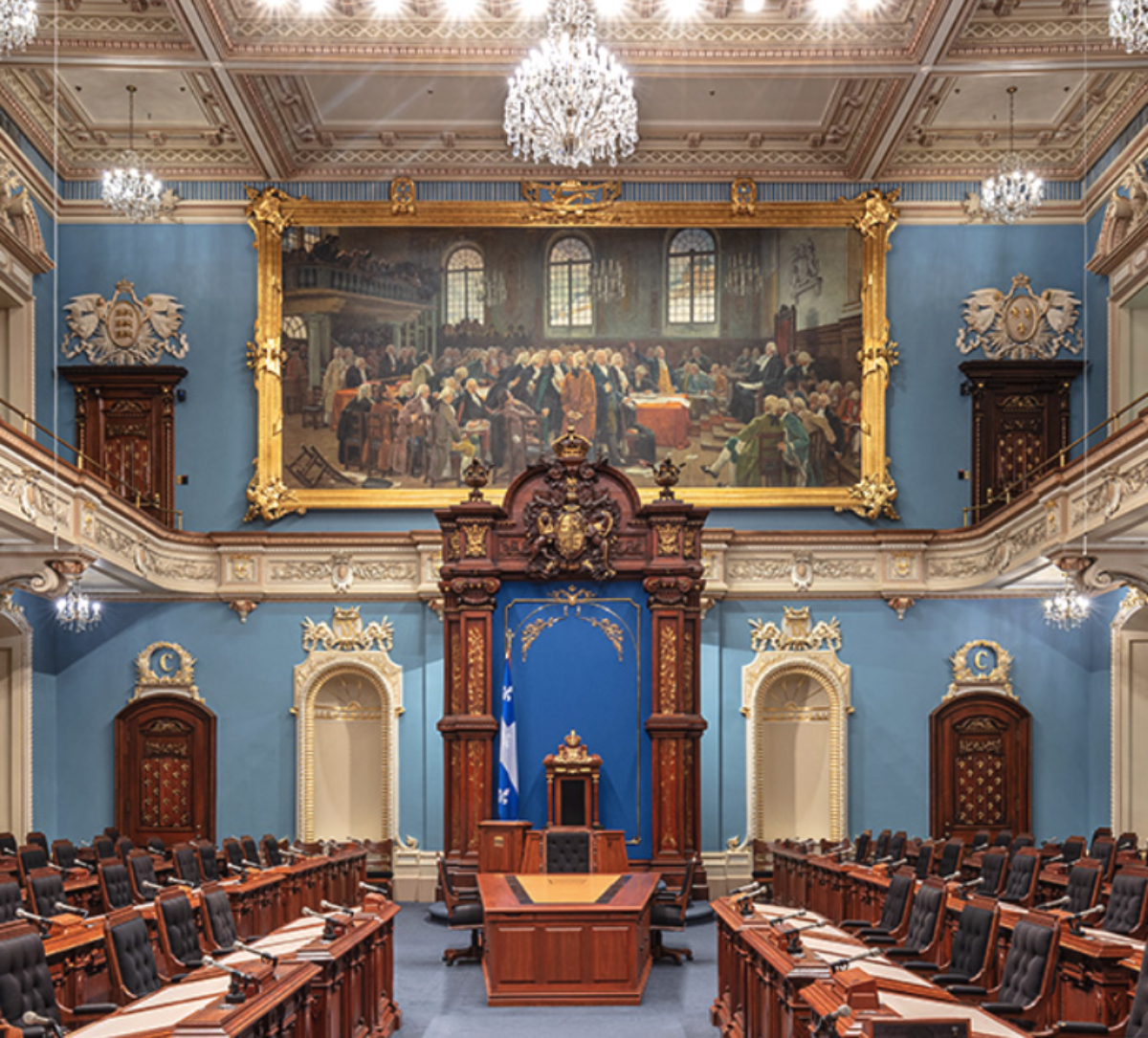
Parliament of Québec. Courtesy assnat.qc.ca
An expansion to Quebec’s Bill 101 could see language restrictions extended to adult and vocational education centres - a move that the Mohawk Council of Kahnawake (MCK) says could impose more barriers on community members seeking education.
While community members would have a right to access English-language adult and vocational programs as “historic anglophones,” the move could affect tens of thousands of students.
In a press conference last week, French language minister Jean-François Roberge said that nearly 30,000 students currently enrolled in English-speaking adult education and vocational programs who are not historic anglophones would have to move to the francophone system.
With those students being potentially forced out of anglophone adult education and vocational training, those opposing the bill have concerns about how the expansion could weaken existing English-speaking programs, leaving those entitled to English education under the law with less choices.

“If it were to come to fruition, we know community members will be impacted,” said MCK grand chief Cody Diabo. “Even if they say we won’t be, we will be.”
He said he doesn’t trust the government to ensure access would remain the same for First Nations students with a historic right to obtain education in English, having seen many community members struggle to exercise their right to obtain services in English under Bill 96.
“Service delivery there wasn’t supposed to be impacted, but then correspondences were only done in French, things weren’t automatic, and there was a burden on our people to find how to get those exemptions,” he said. “That’s what happens when outside governments rush legislation. It leaves a lot of room for unanswered questions, and the ambiguity is never pleasant to navigate.”
At a press conference last week, Roberge said the proposed legislation would be implemented over two years, with those currently studying in English permitted to continue, even if they are not historic anglophones.




He said that the government intends to work with education centres to maintain access to English-language vocational and adult education programs for those entitled to use them, though gave little indication as to what processes would be put in place to ensure those programs still function effectively.
“I just want to reassure the community. The goal is not to infringe on their rights or affect the historical anglophone community, which currently has access to these training programs. This access must remain in place in the long term,” he said.
“What we intend to do here is protect the French language. We will not infringe in any way on the rights of the historical anglophone community, and we will work with them to make sure it affects them the least.”
It is unlikely - but not impossible - that the Bill will pass before the current legislative session closes, and before the fall election.
Sign up for email updates from The Eastern Door
“I’ll be surprised if it gets pushed through, but it’s still a concern,” said Diabo.