Pain at the pump
George Ross The Eastern Door
As the conflict between Iran and the United States and Israel continues into its third week, oil prices have increased dramatically across the board, translating to spikes at the pump not seen since Russia’s attack on Ukraine began in 2022.
The conflict started on February 28, when the United States and Israel conducted joint airstrikes across Iran after weeks of military buildup, with high-ranking Iranian officials, including the country’s supreme leader Ali Khamenei, killed, along with civilians. It has since continued to escalate.
Iran has effectively closed the Strait of Hormuz, the only sea passage from the Persian Gulf to the open ocean through the Gulf of Oman.
Vessels like oil tankers have not been permitted to enter or leave through the Strait, and sea mines have reportedly been laid in it. As such, many ships either stayed in port or turned back.
At time of writing, the price of crude oil is at a little over $96 USD per barrel, up more than $34 its price midway through February.

Although most of the oil that comes from Iran is purchased from countries in Asia and not Canada, those Asian countries have had to purchase their oil elsewhere, meaning demand is unchanged but supply has reduced.
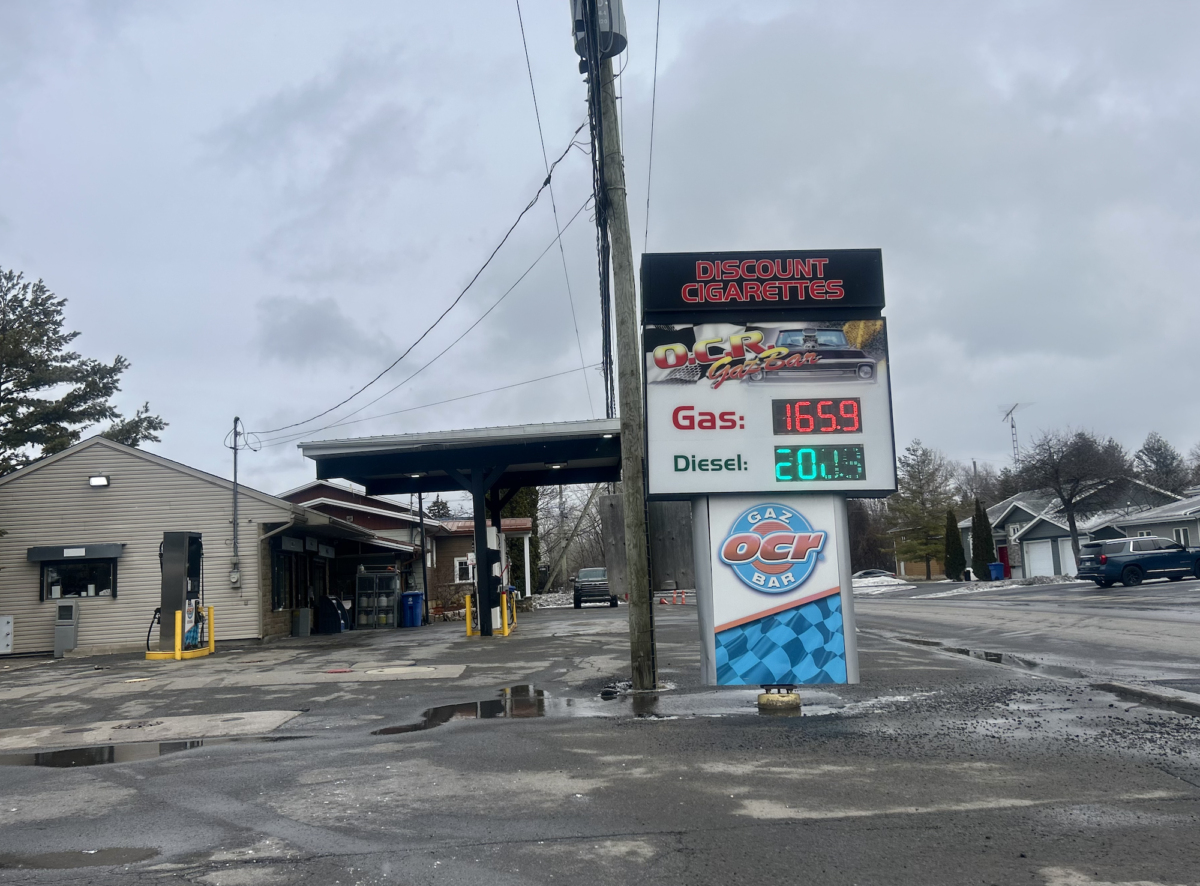
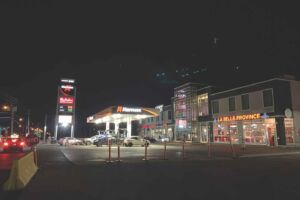
This has translated to a big increase at the pump, where gas prices have oscillated between $1.50 and $1.80 per litre in Kahnawake, where prices are typically lower by almost 10 cents compared to surrounding communities.
“It definitely affects some people’s daily habits and routines. Personally, I found it cost a few dollars extra at the pump on fill-up days,” said community member Kiefer Diabo.
Another community member, Satehoronies McComber, hopes rising gas prices will encourage people to adopt different lifestyle habits.
“I encourage people to walk. If you live in town and have to run errands in town, there’s no need to drive an SUV,” said McComber.


He said that in a place surrounded by pollution, from the cars on the highways to the ships in the Seaway, people should be more mindful of their habits to not add to it.
“If every child really matters, let’s start there!”
Mohawk Council of Kahnawake (MCK) council chief Ryan Montour said that while the MCK is not directly looking at taking measures to alleviate the pressure felt at the gas pump, they are having open discussions about the price of gas in the province with the Quebec government.
That includes where the money that is collected on gas tax goes, he said.
Part of the taxes paid on gasoline and collected by the province go back into road maintenance and on public transit, which will include projects like the upcoming repave of Route 207.
Sign up for email updates from The Eastern Door
He also said that they have to keep in mind the position of the gas stations in the community who are also facing price increases on their end.
This week, the Parti Quebecois (PQ) energy critic, Pascal Paradis, said that a PQ government elected in the upcoming provincial elections would work to lower the price of gas “immediately” by lowering the gas tax, set at 19.2%, or sales tax on gas.
“The status quo is unacceptable for Quebecers,” he said.