Local gardeners featured in national campaign
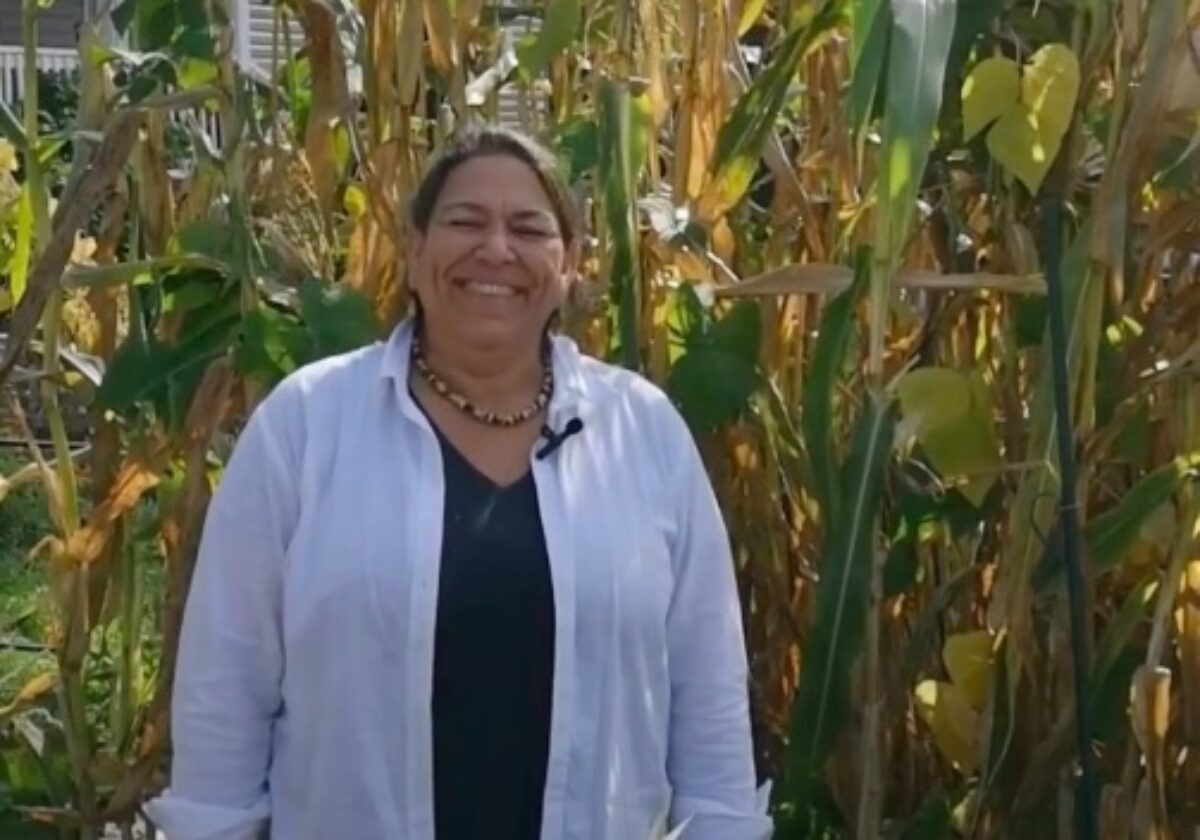
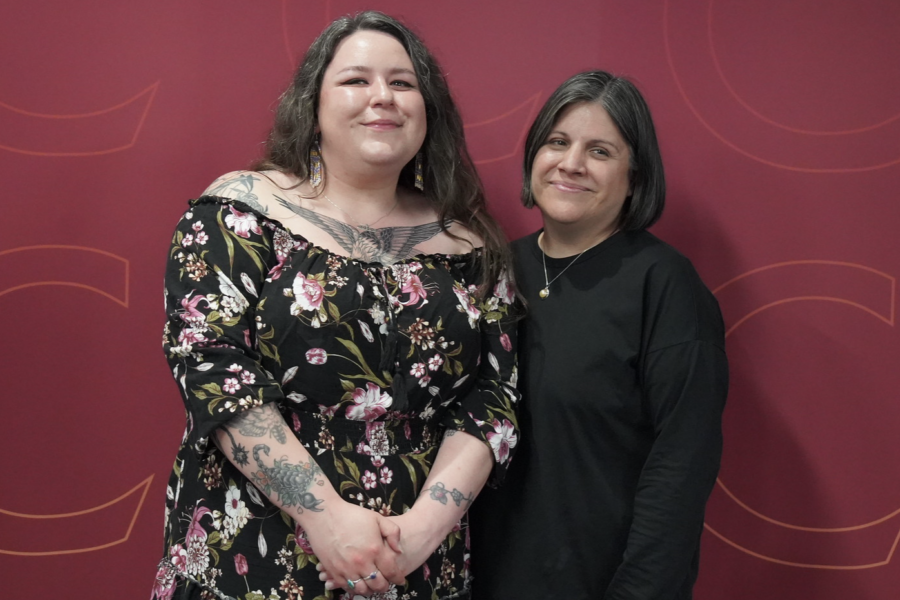
Two Kahnawa’kehró:non are being celebrated for their part in improving soil health in their community as part of a national campaign being led by the Compost Council of Canada.
Since January, their executive director Susan Antler has interviewed about 100 farmers and gardeners across the country to raise awareness about the practices they’re using to increase the health and productivity of their soils.
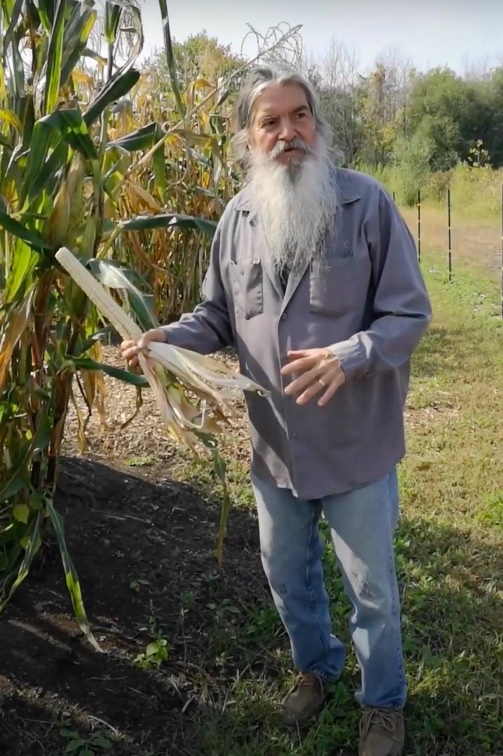
Holly McComber, who runs the local compost facility, is featured among them alongside Randy Cross, the man behind the Three Sisters Garden project.
“They’re wonderful people doing really good things,” Antler said.
In her interview McComber explains step by step how she transformed her front yard made up of heavy clay soil into a flourishing garden. Adding compost to her flowerbeds from the facility she’s been running since 2019 has been key to creating an environment where plants can grow to their full potential.
Her brother is also reaping the benefits. Since using compost over the last three years his garlic has not only increased in size, the plant’s roots have also become longer and healthier.

“We’re very strict on what goes in our compost. If I wouldn’t put it in my garden, I wouldn’t expect anybody else to put it in their garden either,” said McComber, general manager of Kahnawake’s waste management department. “We really need to take care of our soil for our health, because that’s where our food comes from, and that’s where the trees grow from, and the trees give us oxygen, and they recycle water from the soil to the air. Healthy soil is our foundation.”
Antler described Kahnawake’s compost system as a model for communities across Canada.
“It has a very organized, thoughtful design that is logical, and there was a lot of research done up front before it was created,” she said. “They’ve done an excellent job of getting the community involved.”
Richer soil contributes to cleaner water, a richer biodiversity. Healthy soil also sequesters carbon in the soil, aiding in the fight against climate change, Antler said. All the bacteria, mycelium, worms, and insects that multiply thanks to the addition of compost play a major role in that process.
“It’s like giving a buffet to somebody. When you put out food, people come right?” McComber said.
Antler also praised Cross for his community garden that incorporates the three sisters: corn, beans and squash.
“It’s just super magical,” Antler said. “The Three Sisters Garden is in essence about how to work together with plants to make the best possible happen.”
Each plant depends upon each other. The beans grow on the structure of the corn stalk. The squash provides shade for the microbes in the soil, while the beans provide food to the nitrogen-fixing bacteria in the soil. It’s a practice that forces us to confront our own place in the ecosystem that surrounds us, Antler said.
“I think it’s really important for us to showcase the connection between each plant,” she said. “And to know that we’re not alone and that we have to work together.”
Sign up for email updates from The Eastern Door
The community garden also promotes food sovereignty, Cross emphasized in his video for the national campaign.
“You cannot be sovereign unless you can feed your own people,” he said. “This food is a gift of the Creator, it’s very special. Without this we would have never survived.”
The interviews featuring the two Kahnawa’kehró:non can be found on the Compost Council of Canada’s Youtube page.