Legacy fund open for applications
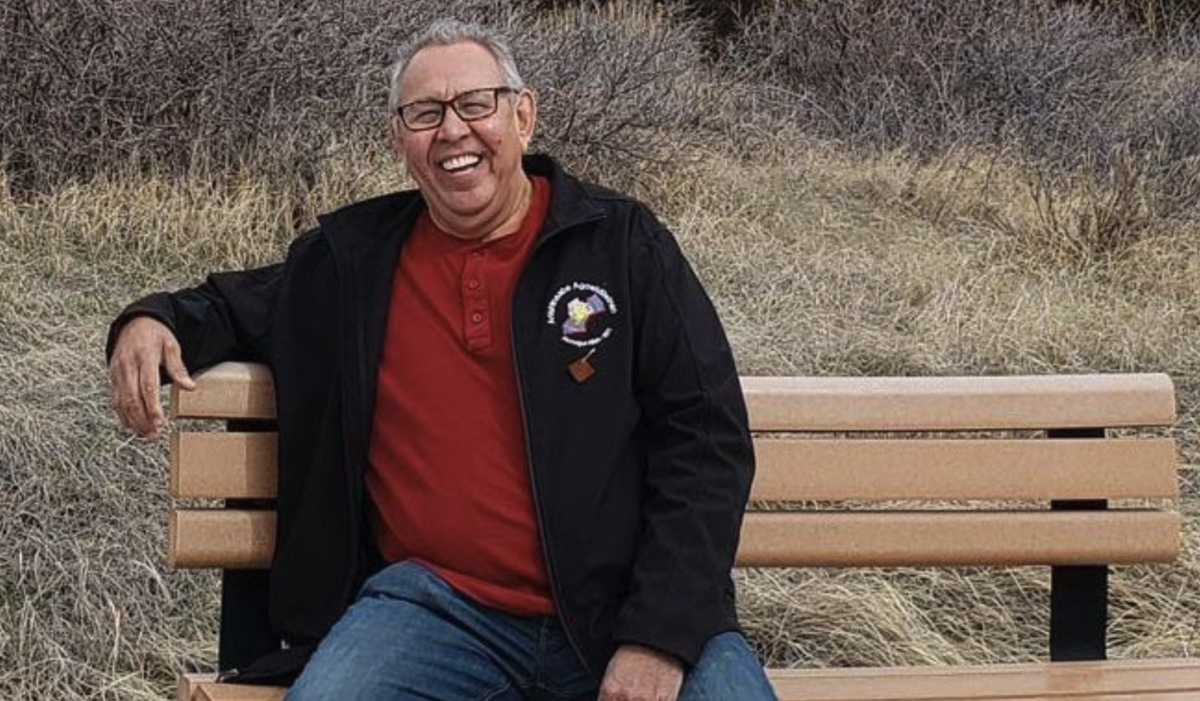
Garry McLean. Courtesy mcleanlegacyfund.ca
A new fund has been launched to support survivors of residential school and their descendants in community initiatives that promote acknowledging and healing from their ongoing trauma.
The fund, known as the McLean Legacy Fund, includes $200 million in funding for survivors of residential schools from communities listed in Schedule K of the Federal Indian Day Schools Settlement Agreement (FIDSSA), of which Kahnawake is one. The funding itself is part of the $1.47 billion secured through that agreement.
Community member Louise Mayo formerly sat on the advisory council of the McClean Day Schools Settlement Corporation (MDSSC) for almost two years, until last June. She also served as the settlement coordinator for the FIDSSA in Kahnawake, and attended the launch of the Legacy Fund in Ottawa on July 7, which was streamed online.
“It’s a really great opportunity for community members who are doing land-based work, language development and revitalization, trauma work with family members who have been affected, they can all apply for funding,” Mayo said. “The opportunities are great, because it’s a really large amount of money.”
Funding will be distributed across four key pillars: healing and wellness, language and culture, commemoration, and truth-telling. Each pillar has different funding criteria, for example commemoration and truth-telling are both one-time funding opportunities of up to $100,000, whereas the other two pillars cover funding of $250,000 and $100,000 for up to four years respectively.

The call for submissions also includes funding opportunities of up to $25,000 to establish a Survivor’s Committee within the community. Mayo said she foresees there being ample opportunities for groups that already work together to commemorate the harms of the residential school system to receive formal funding as a Survivor’s Committee.
“I’m thinking that the Survivor’s Group will provide resources and support to individuals who have suffered at the hands of the schools. They could do workshops together, gatherings, the list of things could be quite open,” said Mayo, who added that while she doesn’t have the current capacity to lead that kind of project, she’s open to sitting on a Survivor’s Committee should others in the community want to form one.
Other initiatives that could be funded through one of the four pillars could include projects such as the expansion of funding support for language initiatives, or physical memorials to commemorate survivors.
“There’ll hopefully be some really fantastic projects that make some real changes within our community from this holistic standpoint of healing,” Mayo said.
Current MDSSC board member and former Assembly of First Nations (AFN) regional chief said in a press release that the fund is intended to foster long-term healing.




“We know that healing does not happen overnight, and every community will approach this journey in their own way and in their own time,” he said.
The fund memorializes Garry McLean, the lead plaintiff in the Federal Indian Day Schools Class Action case, who was from Lake Manitoba First Nation, and passed away in 2019.
His legacy is remembered in a truly survivor-led way, said Gloria Wells, also an MDSSC board member, in the release.
“One of the most important things about the Legacy Fund is that decisions about funding are being guided by survivors, for survivors. Every part of this process respects the voices of our people and puts communities in the lead, where they decide what they need to heal and provide support not just for survivors, but for future generations,” she said.
More information about how to apply and resources to help with submissions can be found at mcleanlegacyfund.ca, and submissions are due by the end of September.
Sign up for email updates from The Eastern Door