Leaders gather for general assembly
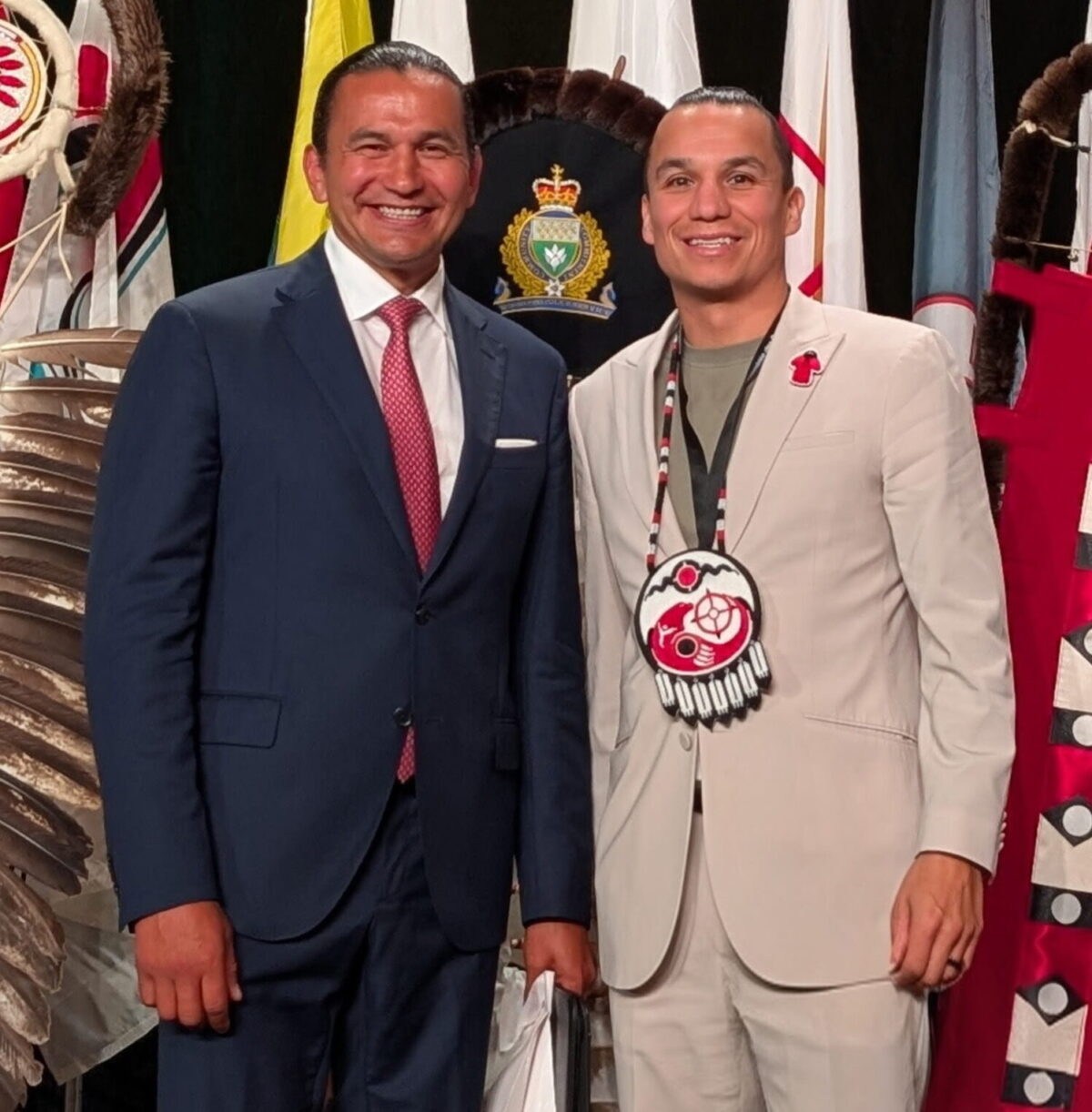
AFNQL Regional Chief Francis Verreault-Paul (right) stands with the premier of Manitoba, Wab Kinew, at the 2025 AFN Annual General Assembly. Courtesy Francis Verreault-Paul
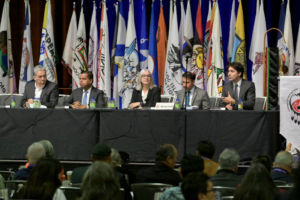
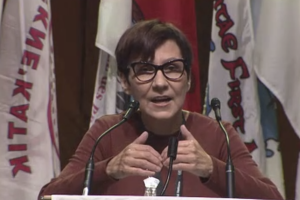
Hundreds of leaders from communities across Turtle Island were in Winnipeg, Manitoba last week, for the Assembly of First Nations (AFN) Annual General Assembly (AGM).
With topics ranging from child welfare reform to the erosion of sovereignty in federal relationships, the gathering underscored a clear message: the voices of the rights holders and the First Nations themselves must guide the path forward.
Among the prominent voices at the assembly was Francis Verreault-Paul, regional chief for the Assembly of First Nations Quebec-Labrador (AFNQL). Verreault-Paul took office in February, making this his first AGM in the role.
“There were a couple of topics that needed to be addressed,” he said. “First of all, Bill C-5 and the aftermath of it, those were discussions that needed to happen at the national level. And the second was long-term reform.”
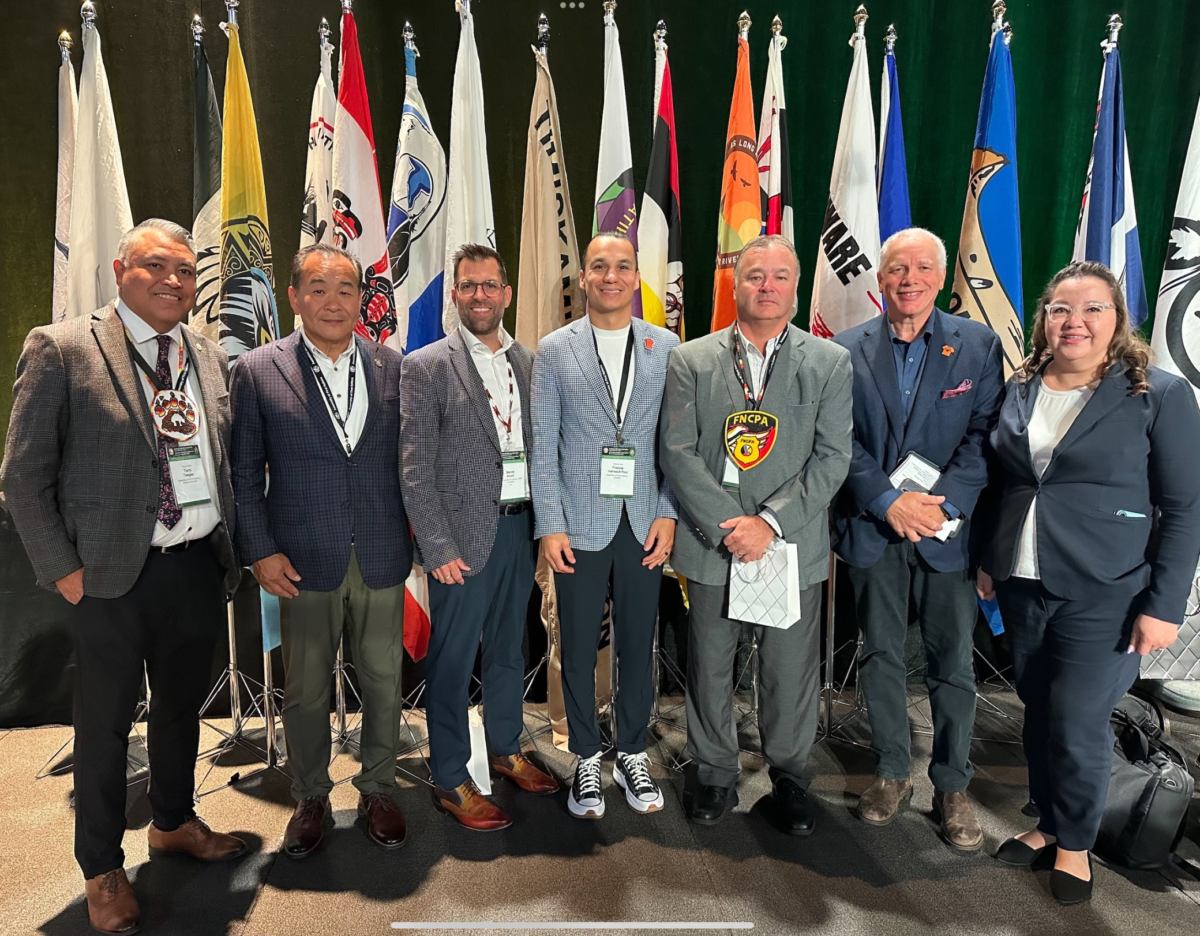
Regional Chiefs, council members, and delegates from across Turtle Island stand at the Assembly of First Nations (AFN) Annual General Assembly in Winnipeg, Manitoba. Courtesy Francis Verreault-Paul

Verreault-Paul emphasized that the long-term reform of child and family services must be reimagined with real collaboration and urgency. In 2024, the AFN had voted against a final settlement agreement for long-term reform of the system, with arguments made that the agreement could be expanded even further to support more children.
“We need to find a solution that truly serves our children. There is a lot of action in place, but we still need the cooperation of the federal government,” he said.
Beyond policy, Verreault-Paul saw his attendance as an opportunity to listen.
“It was my first experience as regional chief, and I really wanted to grasp the needs and expectations of the chiefs in our region,” he said. “We had great internal discussions and overall, a very good week.”
Throughout the assembly, over 50 draft resolutions were brought forward, but time constraints meant not all could be addressed. Still, Verreault-Paul noted that recurring themes including infrastructure, policing, systemic racism, harm reduction and substance abuse, public safety, and child welfare are critical for the future of First Nations communities.

“All of these files are important. They’re about our children and our future. Public safety in our communities is something the Chiefs emphasized strongly,” he said.
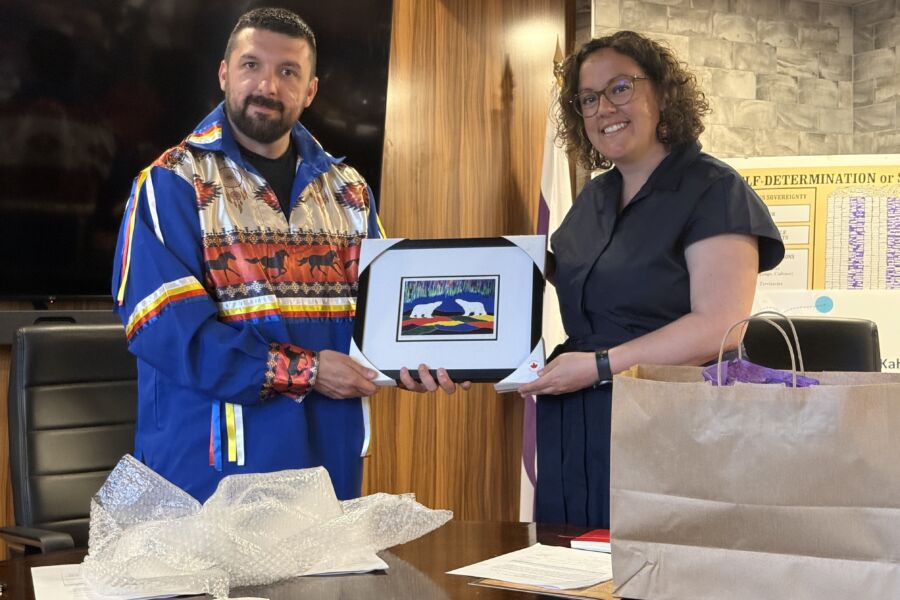
From Kahnawake, MCK chief Ross Montour also participated in the assembly, attending as a representative for MCK.
“We attended primarily to deliver a message regarding the prime minister’s relationship with Indigenous Peoples,” Montour said.
Montour raised concerns about the AFN acting beyond its mandate, particularly in areas such as border mobility and trade rights issues deeply rooted in treaty recognition.
“There’s been a suggestion that the AFN should take on border rights, but that’s not their role,” he said. “We’re part of the Jay Treaty Border Alliance and have history and rights grounded in US court decisions. AFN’s involvement needs to be clearly limited to advocacy not representation.”
Sign up for email updates from The Eastern Door
Montour said the AFN shouldn’t be considered a government organization.
“The AFN needs to stop acting like a legislative clearinghouse,” Montour added. “It needs to focus on advocacy, not governance over nations.”