Johnson addresses Senate Committee
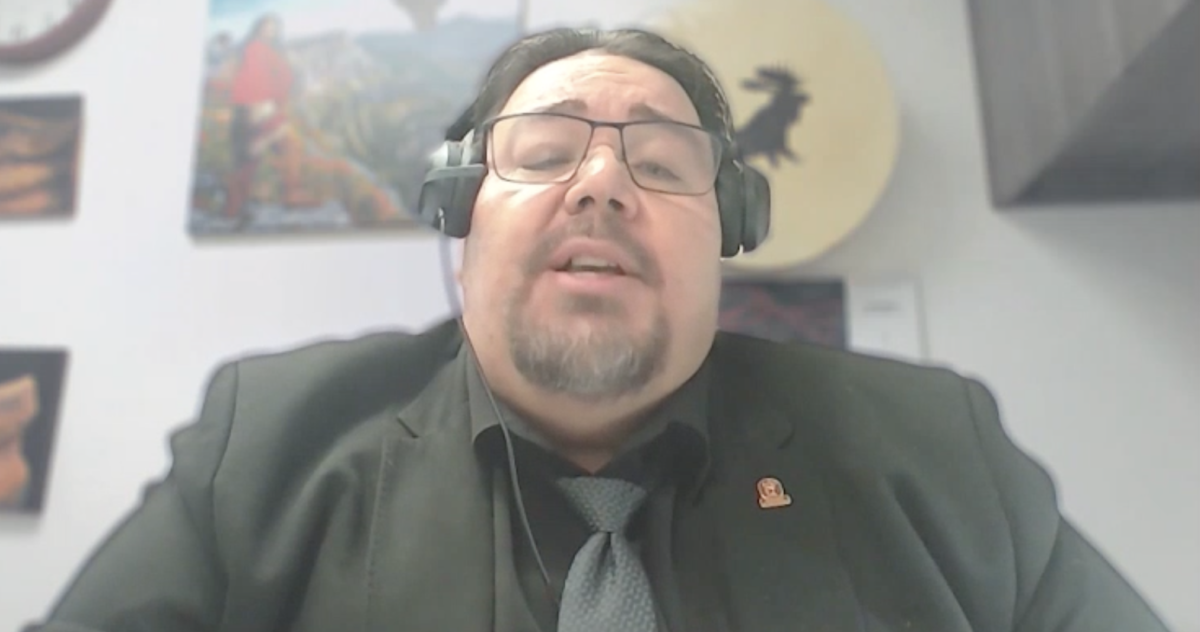
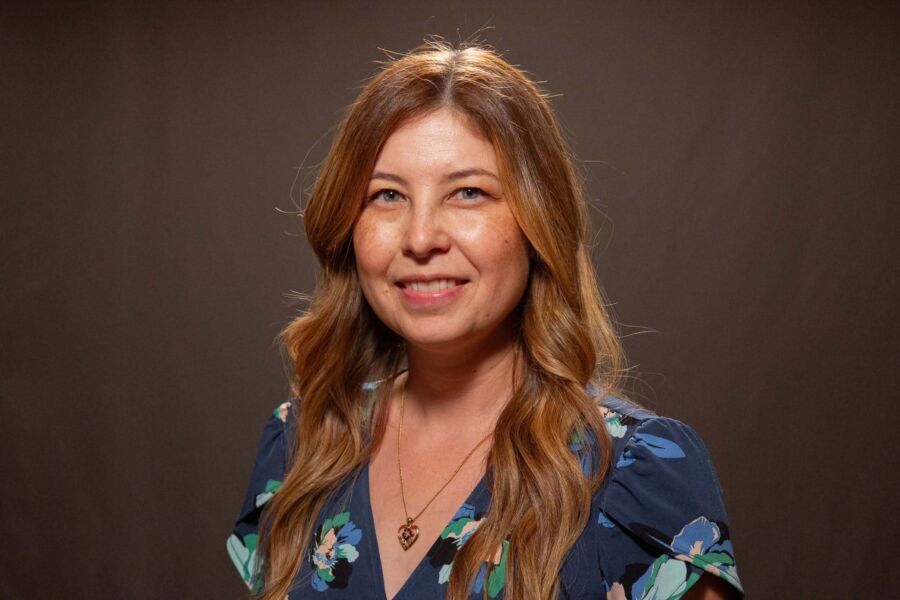
MCK chief Jeremiah Johnson told Canadian senators last week that Kahnawake is “unequivocally” opposed to Bill S-2, which would amend the Indian Act. Courtesy Standing Senate Committee on Indigenous Peoples
Mohawk Council of Kahnawake (MCK) chief Jeremiah Johnson told a Standing Senate Committee this week that Kahnawake remains opposed to Bill S-2, which is currently being considered in the House of Commons.
The Bill would see the Indian Act amended, including axing the second-generation cut-off rule. While many Indigenous advocates have supported the Bill, the MCK has voiced its strong disapproval of the proposals, arguing that on principle, it can’t support the Indian Act being used to determine membership.
Johnson previously spoke to the Standing Senate Committee on Indigenous Peoples about MCK’s opposition to the Bill in Ottawa at the end of last year, and he presented again in front of the Committee last week, this time via video conference.
“While this bill is recognized as a corrective measure responding to past injustices under the Indian Act, it remains rooted in the same colonial framework that created those harms in the first place,” Johnson told the Committee.

“It does nothing to dismantle federal control over Indigenous identity. Instead, it reinforces it, by continuing to assert that Canada has the authority to define who we are as First Nations.”
Johnson emphasized the authority of the Kanien’kehá:ka of Kahnawà:ke Registry (KKR) to determine who is a part of Kahnawake’s band list, expressing concern that the provisions under the Bill would result in more people having the right to register federally for First Nations status.
Thousands of people could regain status under the Bill, including people who had their status taken away through enfranchisement, which was often involuntary. Individuals could be enfranchised historically in a number of situations - from 1869 to 1985, a First Nations woman would lose her status if she married a non-Indigenous man, and from 1876 to 1920, individuals were removed from band lists if they got a university degree.
The Bill could also remove the second-generation cut-off rule, which sees individuals lose status if a family has two consecutive generations where only one parent has status. That would be replaced with the “one-parent rule” under the new amendments, which would mean a child can have status, and pass it on, if at least one parent does, regardless of how many generations of partnership there has been with non-status individuals.


Johnson emphasized that the MCK is not opposed to individuals exercising their right to re-gain lost status, but that the proposed amendments do not provide a clear enough path for First Nations to manage increased numbers of registration - and that the proposals are an overstepping of the government’s authority to determine who is and isn’t part of a community.
Bill S-2 was considered by the Standing Committee at a number of hearings taking place at the end of April into the start of this month, a necessary step after the second reading of the Bill at the House of Commons. The Bill has already passed through three readings and a report stage at the Senate, and the next step after the most recent hearings will be the compiling of a report outlining what has been shared by communities and political figures throughout the process.
After the report has been compiled, there will be a third reading at the House of Commons.
Johnson told The Eastern Door that overall, feedback from other stakeholders at the Committee has been positive, and that he foresees the Bill ultimately passing, but that hasn’t stopped him advocating for what he says are Kahnawake’s best interests.
Sign up for email updates from The Eastern Door
“Just because it’s a losing battle doesn’t mean you stop talking, doesn’t mean you stop fighting,” he said. “We’re going to continue to fight and share our position and we’ll never give up our views and our jurisdiction over who our people are.”