Homeless shelter needed in town
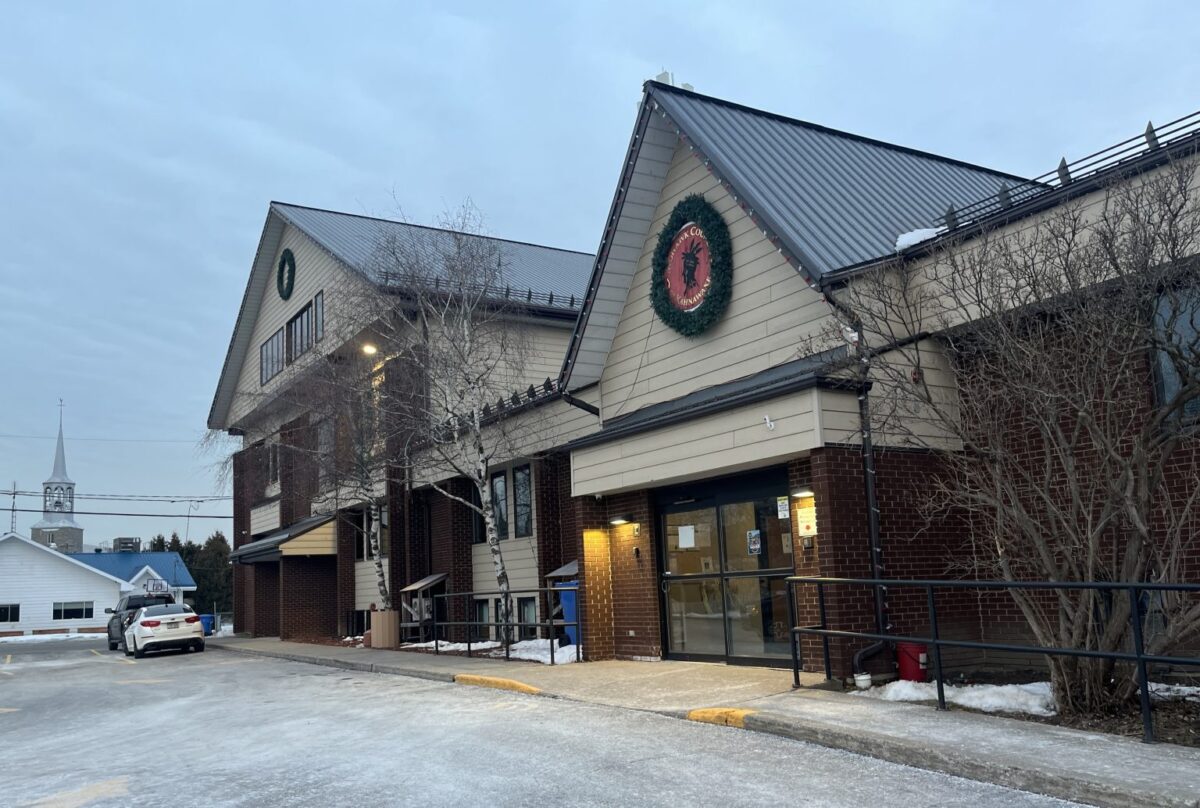
The Mohawk Council of Kahnawake (MCK) is rushing to create an emergency shelter before the new year, Council chief Iohahiio Delisle shared, saying there’s been a growing number in town finding themselves without anywhere to stay the night.
As of November, a working group made up of staff from Kahnawake Shakotiia'takehnhas Community Services (KSCS), Council chiefs Jeremiah Johnson and Arnold Boyer, and MCK staff have been meeting on a weekly basis to address what Delisle called a growing problem.
“There’s a homelessness issue in the community, and it's time that we address it and acknowledge it for what it is,” he said.
To his knowledge there’s never been an overnight shelter in Kahnawake. Typically, those needing a place to stay – whether that be an individual or a family escaping domestic violence – get referred out to surrounding shelters. But with a rise in homelessness in Montreal and the South Shore, shelters are increasingly maxed out, leaving some Kahnawa’kehró:non with nowhere to go.

“More people are starting to fall into absolute homelessness, where they really don't have anywhere to go,” said Davis Montour, KSCS’ director of operations.
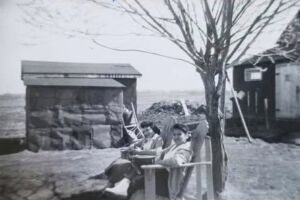
It’s easy for them to go unnoticed, he said. Some camp under overpasses in the territory, or they might take shelter in abandoned, non-insulated sheds. Some stay in their cars, while others bounce between homes of family and friends.
“Homelessness is nothing new in Kahnawake, it just has a different look than what I think most people generally perceive homelessness to be,” Montour said.
At least 17 people have been identified as having issues securing steady housing, according to caseloads shared between KSCS and the social assistance unit at the MCK, Montour said. That figure is of course imprecise, though, as staff often lose contact with their clients. Others may not reach out for help.

Getting a facility up and running before the new year is ambitious, he admitted, but he said the working group is committed to moving as quickly as possible to find solutions for those in need.
“To staff a facility of that nature on such a short time frame, I can't say it would be impossible, but the challenge would be extraordinary,” he said.
Until then, each person seeking help will be dealt with on a case-by-case basis.
Delisle said the hope is to open a facility under a one-year pilot project. Later on, depending on the needs of the community, it may become permanent.
Sign up for email updates from The Eastern Door
“The whole plan and vision is to provide the necessary resources needed in order for them to come out of that cycle,” the Council chief said.
He was often at Cabot Square in downtown Montreal over the pandemic, a park known as being a gathering place for homeless people, helping to run a warming tent operated there for several months.
“Again, it would be the same approach, providing them a comfort space, a safe space, so that we can get them vetted for help,” Delisle said, saying staff at the facility could help connect people with addiction services, a doctor, or mental health support.