Food security experts come to Kahnawake

For Kahnawa’kehró:non Brooke Rice - co-founder of the local food sovereignty project Tkà:nios - access to quality, locally grown foods is about more than nutrition.
“It’s not just about sustenance, but it’s about our identity,” said Rice.
That’s why she invited Food Secure Canada, an organization dedicated to proliferating sustainable food systems and eliminating hunger, to open its Montreal-based conference this week in Kahnawake at the Mohawk Trail Longhouse. As many as 200 food security researchers and others gathered on Monday to exchange ideas and learn about Kanien’kehá:ka approaches to nutrition.
“I think it’s so important that in any situation that we’re talking about food, food justice, anything to do with our food systems, that we look to Indigenous peoples,” said Marissa Alexander, co-executive director of Food Secure Canada.
She noted high rates of food insecurity, especially among certain groups, including Onkwehón:we.
“Our food system right now is not working, and so we have to look to the systems that have worked for so long for the answers,” Alexander said.
Corporate consolidation and profiteering is one reason food is so expensive, Alexander said, increasing the urgency of looking to alternatives.
“I think the only way that we’re ever going to get to a place where we want to be, where we can have true food security, is by bringing people from all these different sectors and areas together to have conversations, because we cannot do it in silos.”

She said food security can take many forms and that it is a larger discussion than just household food insecurity. One of the organization’s priorities is to make sure food is not only healthy and available, but also culturally appropriate, she added.
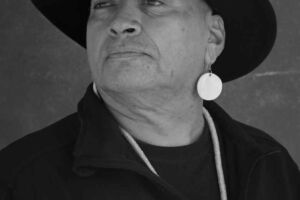
To highlight a cultural perspective on food, Rice invited community elders Elaine Delaronde and Ka’nahsohon Kevin Deer to speak at the first day of the conference.
“We’re at a disconnect,” said Deer in an interview with The Eastern Door. “We’re disjointed. It’s not our fault. But the idea is we have to get back to that simple way of living. Now can we do that? That’s the big question.
“Right now, our whole food production, on one hand it’s producing food, and on the other hand it’s killing us.”

He began his talk with his water drum and a verse of the squash dance song. He asked attendees if they had a belly button, eliciting laughs but also making a serious point as he compared the vines of the squash to the umbilical cord, highlighting our connection to Mother Earth, suggesting we should see food systems in this light.



“The only way we’re going to change people is with education, with unconditional love,” he said. “We can forgive stuff that has happened, and we can move on together and make it better, so the future generations coming can inherit a happy, safe, clean, beautiful, peaceful, loving home.
“That’s their birthright. We have a responsibility to them, and we can’t let them down.”
Kahnawake Collective Impact (KCI) provided resources for the event, such as the sound system, part of the organization’s drive to boost collaboration between people working on food initiatives.
“I’ve never seen this many people at a one-day event for food security and food sovereignty, so it’s really good,” said Takariwaienhne McComber, facilitator of food security at KCI.
Her team conducted a survey over the summer and learned opportunities for collaboration are lacking, so they have pivoted to boosting education, especially around traditional food practices such as gardening, hunting, and fishing.
“That’s something we’re trying to do, is just promote more promotion and collaboration within the groups that are involved in food sovereignty and food security,” said McComber.
Rice previously interacted with Food Secure Canada around a month ago, when she did a panel on Indigenous food systems. “They wanted to have real relations, connections, engagement with the community, so we did the opening day in Kahnawake, in Mohawk Trail,” she said.
She noticed the way the attendees - with a range of roles in terms of transforming how the country produces and sees food - were smiling, nodding their heads in agreement as she watched them take in the words of Deer and Delaronde.
Sign up for email updates from The Eastern Door
Rice herself delivered a keynote on Monday, sharing the work of the local Tkà:nios project, which is proceeding with plans for a food hub following community consultations in the summer.
The commercial food industry has incorporated bioengineering into crops to make plants resist drought or insects, she said, with ricocheting impacts on ecosystems growers depend on.
“It’s integral for us to be engaging in food security, food sovereignty, because we’re going to create culturally relevant food systems. Nutritionally dense. Accessible, local. It’s not just about food. It’s cultural. It’s keeping our culture alive. It’s keeping our well-being intact,” Rice said.
“We need to collectively work together when it comes to feeding our community.”