Festival platforms Kahnawa’kehró:non
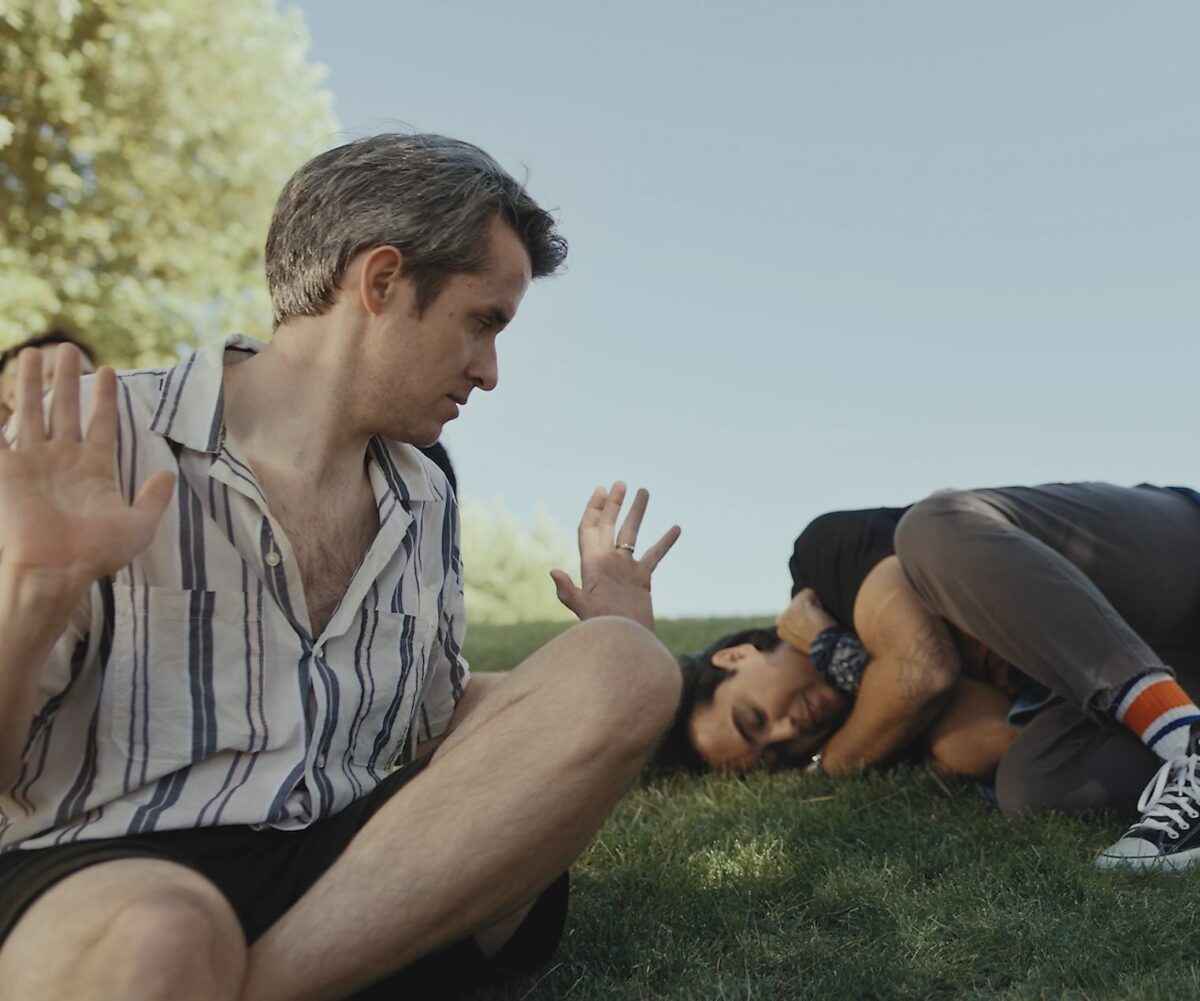
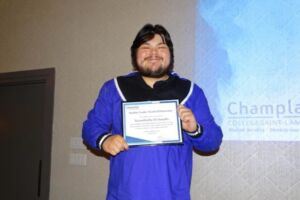
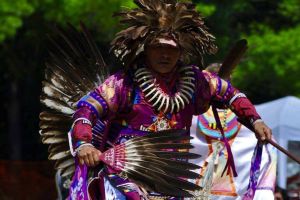
It’s been nearly two years since Taietsarón:sere Tai Leclaire’s short film Headdress hit screens, but it’s still reaching new audiences - this time thanks to image+nation, a Montreal-based queer film festival.
“Film festivals really help bring your work to people, and that’s really what you want as a filmmaker,” Leclaire said. “There’s something really special about bringing it to a festival, because you know it’s curated pieces of media that are being presented to you.”
Headdress is being presented as part of the “Voix Autochtones/Indigiqueer” shorts program within the festival, which is streaming online.
As well as Leclaire’s work, seven other films are available for viewing as part of that program, including experimental, comedic, and dramatic works by Indigenous artists from across Turtle Island.
At 37 years old, image+nation is Canada’s longest-running queer film festival - but the push to include more Indigenous artists in its programming has been relatively recent, said Kat Setzer, the festival’s programming director.
In 2020, when film festivals were shuttered by the pandemic, programming moved online. Though it was a challenge for festivals, it also presented a silver lining of opportunity, by making programming more accessible. Now, audiences could watch more films at the click of a button.

That made the online shorts programming more accessible, and it became even more of a priority to source films by Indigenous creators.
“A lot of freedom and responsibility came with being able to show lots of representations,” Setzer said.
In 1987, image+nation sprung from a desire for representation. That desire remains - and it’s important that the festival’s programming truly represents everyone, Setzer said.
“We emerged from a moment where representation was about striving to just see oneself on screen, it was a revolutionary political act,” they said.
Extra pushes are being made now to ensure that “representation” encompasses all different types of people, especially groups that have often not been well-represented on screen.
“We have a strong mandate that our festival needs to be amplifying underrepresented queer voices.”
The Voix Autochtones/Indigiqueer shorts are exclusively online, but the festival also has in-person programming, with a few events remaining before it comes to an end tomorrow evening.
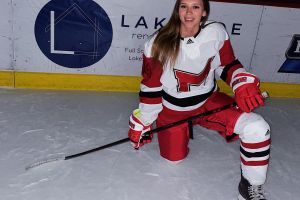
One of those events is a panel discussion featuring local filmmaker Courtney Montour, who will be discussing a documentary she’s making that’s currently in production. That film has the working title Rising, which follows a roller derby team called Indigenous Rising who represent Turtle Island in Flat Track Roller Derby.
She first heard about the team in 2018, when The Eastern Door featured Kahnawa’kehró:non Michelle Cross in an article, when she was one of 22 Onkwehón:we women who travelled to Manchester, England, for the Roller Derby World Cup.
She’s been working on her documentary for six years, and said she’ll be discussing her process at image+nation, with the film slated for release sometime next year.
“It’s an ongoing conversation about the filming process, so I’ll be discussing this project and how it came to be, and sharing the journey of getting here,” Montour said. “I can’t wait until next year to actually share the film with everyone, but right now I’m sharing a little bit about my process of getting this created and collaborating with the team.”
Montour will be speaking as part of the “Made au Canada: Documentaries” panel, alongside Justine Pimlott, a producer and founder of production company Red Queen Productions, and Regan Latimer, a director who also runs production company Bee Charmer Productions.
Sign up for email updates from The Eastern Door
That panel is free to attend, and will be taking place tomorrow, November 30, at 3:30 p.m. at the NFB Space in Montreal.
The shorts program can be viewed online, and tickets can be purchased to access Leclaire’s film and more for $5 at image-nation.org.
Leclaire said it’s encouraging as a filmmaker to see how many different kinds of films are available to watch as part of this year’s festival.
“Growing up, I felt like ‘queer’ was such a taboo word and now people realize that we’re just people,” he said. “I think there’s real power in visibility.”