Doctors dismayed by Bill 2

Courtesy Canadian Medical Association
More than 10,000 people took to Montreal’s Bell Centre this weekend to express their outrage over a controversial law that changes how doctors in Quebec are paid - a law that health experts in Kahnawake say could exacerbate problems the community already faces with retaining and recruiting physicians.
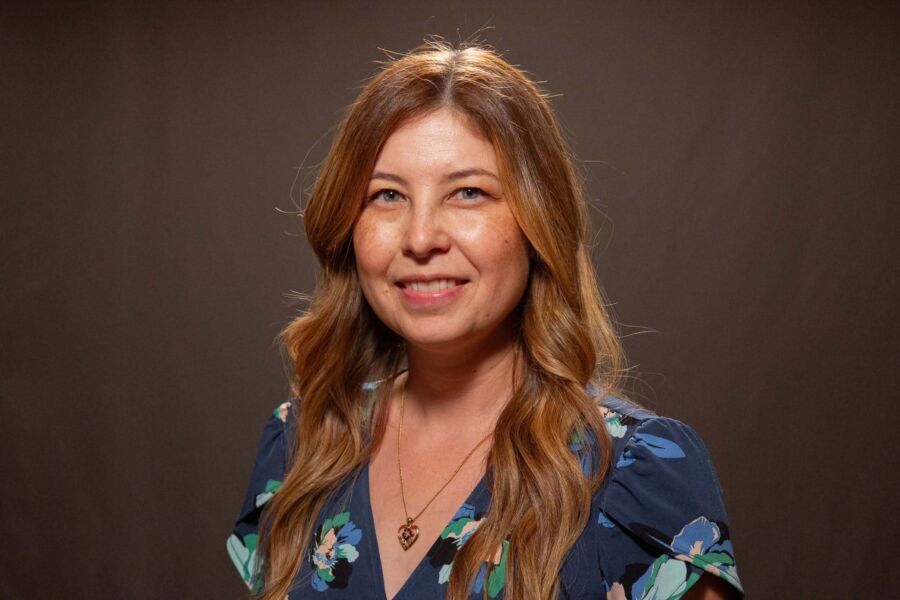
“What would you do if you were facing a pay cut and being asked to work unsafely without any discussion about how you’re going to be supported in doing that, in a job that’s literally life and death?” said Kahnawa’kehró:non Ojistoh Horn, president of the Indigenous Physicians Association of Canada (IPAC).
Horn is currently a practicing physician in Akwesasne and previously served the community in Kahnawake as a doctor at KMHC.
She said that Bill 2 could have devastating impacts for healthcare workers, and could impact Indigenous communities disproportionately, having been developed without meaningful engagement from Indigenous physicians and patients.
While the federal government touts the legislation, which will take effect in the new year, as a way to improve health care services, healthcare workers across the province have spoken out about its potential to undermine physicians.
The new law overhauls how doctors are paid, tying 10 percent of their salaries to performance targets - targets such as ensuring 75 percent of patients are seen within 90 minutes of arriving in an emergency room.

Horn said that the targets are often unfeasible - the problem with wait times in healthcare settings isn’t the speed at which doctors are working, but rather systemic issues, like staff shortages and the underfunding of the system itself.
“What kind of care are you going to get in the emergency room when you have to see people within a certain amount of time?” Horn said.
“Just by doing more doesn’t mean that it’s better. It’s stress to an already stressed system without creating supports.”
The bill also imposes fines for doctors that take “concerted actions” to challenge the government’s policies - physicians can be fined up to $20,000 per day, with groups able to be fined up to $500,000.
According to a report from CBC, more than 260 Quebec doctors have applied to be licensed in Ontario since October 23 - more than 13 times than the total number that applied between June 1 and October 22, before the legislation was adopted.
If doctors continue to leave the province at that rate, it could spell trouble for communities like Kahnawake, which already faces difficulties recruiting and retaining doctors. Kateri Memorial Hospital Centre (KMHC) executive director Valerie Diabo said the legislation is already causing concern amongst healthcare workers.


“Many have expressed apprehension about the bill’s potential impact on resources, increased administrative and clinical pressures, and the risk of further straining an already burdened healthcare system,” Diabo said.
For Indigenous communities, the bill raises more complexities. In Quebec, Indigenous health services operate in overlapping jurisdictions - while physician salaries and regulations are provincially managed, most on-reserve healthcare services are federally funded.
Horn said that leaves doctors working on reserves in a “grey area,” an issue exacerbated by the lack of consultation with Indigenous communities during the process of drafting the legislation.
“They’ve blanketed every family physician under the bill without addressing any of the complexities of working on-reserve,” she said.
Mohawk Council of Kahnawake (MCK) chief Arnold Boyer said that he intends to speak about the issue with the provincial minister of health, Christian Dubé in the coming weeks.
“We hear people’s concerns, we hear KMHC and all the doctors working there, and we’ve got their backs, hopefully,” he said. “We’re going to really press our concerns about going forward with this bill, because enough is enough.”
Sign up for email updates from The Eastern Door
Boyer said that doctors need to be encouraged to come and work in communities like Kahnawake, not pushed away to other provinces.
“It’s not an incentive for young doctors to start their career here, and they can’t sustain themselves with this,” Boyer said. “The community is growing, our elderly population is growing, and we need to retain our doctors because we don’t want to lose them.”
Physicians’ associations across the province have continued to advocate for the law to be repealed - earlier this week, Dubé said that his government would be willing to sit down with the main doctors’ federations to negotiate certain concessions on the legislation.