Center watching developments on settlement
After Assembly of First Nations (AFN) members voted down a $47.8 billion settlement agreement to fund the reform of on-reserve child and family services, the Kanesatake Health Center (KHC) is monitoring developments.
“The outcome of any agreement can have monumental impacts on our people’s future, which will be most felt by future generations not yet here,” said KHC executive director Teiawenhniseráhte Tomlinson.
The health centre receives a sizeable portion of its budget from a bolstered funding model stemming from the same Canadian Human Rights Tribunal (CHRT) ruling that led to the proposed settlement agreement. That decision ruled the federal government had discriminated against First Nations community members by underfunding on-reserve child welfare services.
“While this decision directly impacts the national negotiation process, it doesn’t waiver our commitment to providing essential services and support for children and families, which remains our top priority,” said Tomlinson.

“In the interim, we are evaluating the specific impacts this rejection may have on our funding. The government is still bound by the CHRT’s decision, so we are optimistic that the current enhanced funding model will continue in the interim.”
Tomlinson said that the health centre will continue to put the health and well-being of Kanesatake families at the centre of its mission.
“We will continue working with our partners to ensure uninterrupted service while advocating for a funding model that respects the unique needs of First Nations communities like ours,” he said, adding he supports transparency and community-driven negotiations.
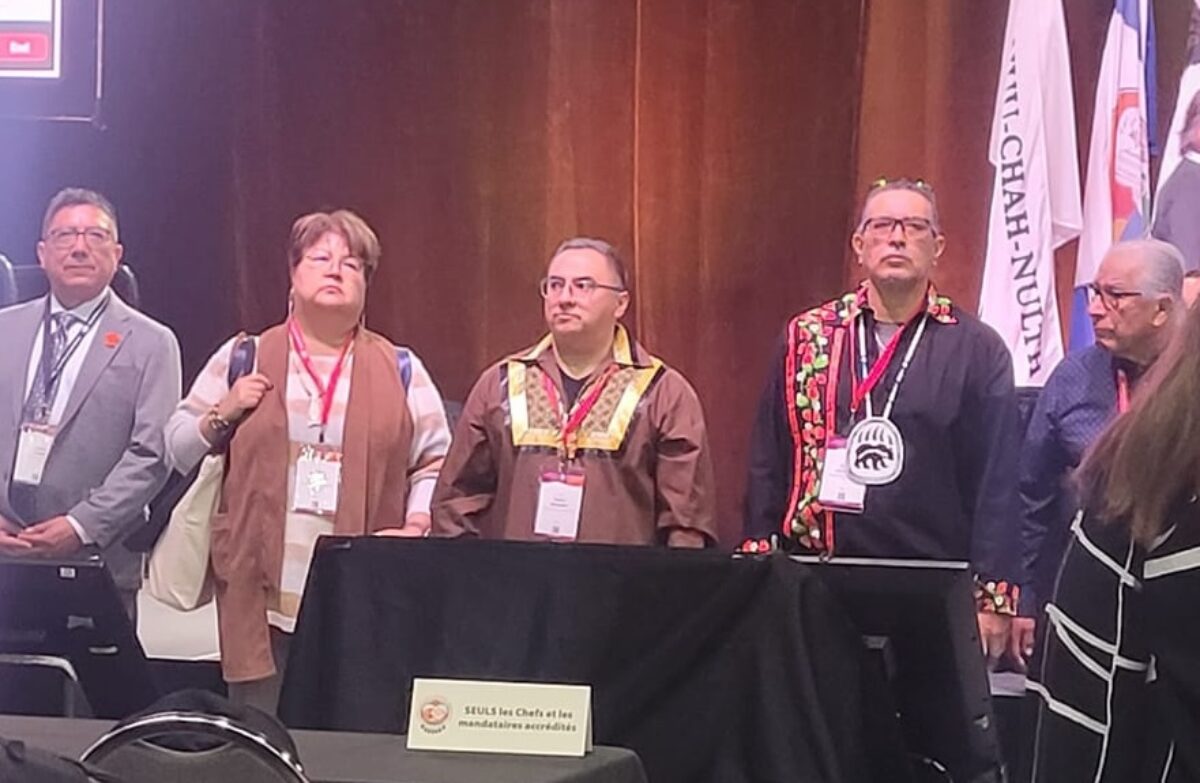
Mohawk Council of Kanesatake (MCK) grand chief Victor Bonspille and MCK chief Valerie Bonspille were in Calgary in October for the vote on the settlement agreement. However, the grand chief did not return multiple requests to clarify if and how he voted on behalf of Kanesatake.



The agreement had been opposed by influential child welfare advocate Cindy Blackstock, who leads the First Nations Child and Family Caring Society (FNCFCS), one of the forces behind the original CHRT complaint. Blackstock argued that the proposed agreement extended the authority of the federal government.
“We’re very concerned about how the agreement takes away decision-making from First Nations,” Blackstock told The Eastern Door ahead of the vote.
The resolution to adopt the proposed settlement agreement was rejected by AFN chiefs in a 267-147 vote, with one official abstention.
KHC was not involved in the vote and was not informed what position, if any, Kanesatake took on the agreement.
Sign up for email updates from The Eastern Door