Bringing home birth back to Kanesatake
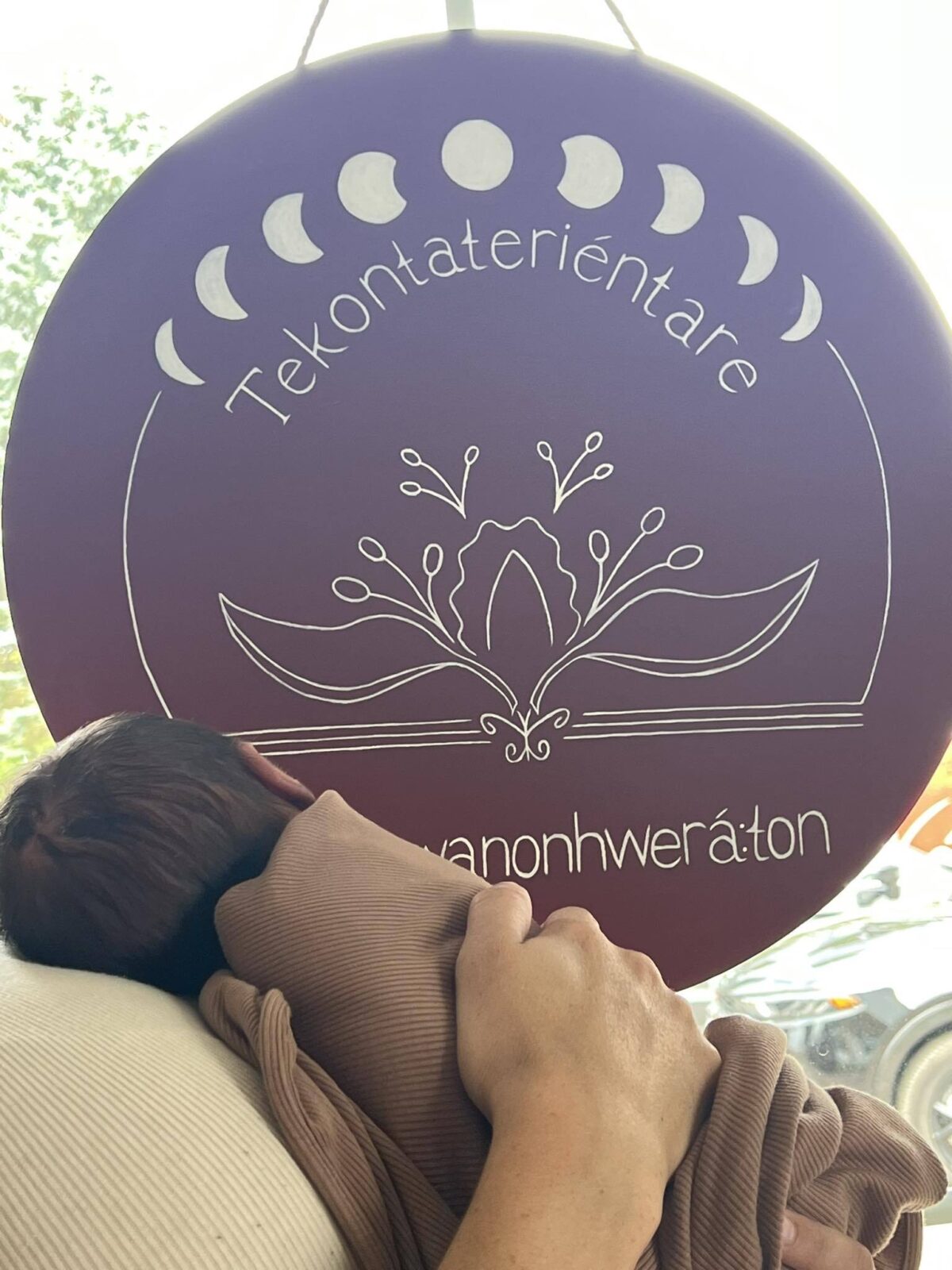
A baby boy was born at the Tekontateriéntare Multigenerational Center for Women’s Wellness in Kanesatake, the first home birth in more than 50 years. Courtesy Patricia Kahentanóron Gabriel
In the early hours of August 19, 2025, at precisely 12:47 a.m., a healthy baby boy was brought into the world under the glow of the moon at the Tekontateriéntare Multigenerational Center for Women’s Wellness at the Tsontkwahtentionhátie farm in Kanesatake.
For the first time in over half a century, a child entered the world through a home birth in the community, guided by Indigenous midwives and birth keepers determined to reclaim Indigenous birthing traditions.
“This is HUGE,” the team at Tekontateriéntare, said in a statement posted to The Kanesatake Health Center (KHC) Facebook page. “Our hearts are so full. Niá:wen to the family for believing in the vision of bringing birth home.”
For Warisose Gabriel, the event resonated deeply. Her grandmother, Josephine Tiawentinon Thompson, was once a respected community midwife.
“She used to go away for a week to help the family,” Gabriel recalled. “She’d take care of the wife, help the husband look after the other kids. Back then, a new mother would stay in bed for a week. It gave women time to heal.”
She recalled how babies used to arrive. “We’d come back in the morning, and there was a baby crying. That’s how we knew. They always had a funny story, like the baby came down the chimney.”
Today, after decades of institutional births disconnected from cultural traditions, Kanesatake is breathing life back into these practices – something Gabriel said is an important movement in the community.
“Go for it. Try it. Bring back what our ancestors gave us. It’s part of who we are,” said Gabriel.
Gabriel emphasized the role that women have long played in birthing practices.

“The grandmothers had a hand in everything. The whole clan decided things together. It wasn’t just one person, so it really does take a village.”
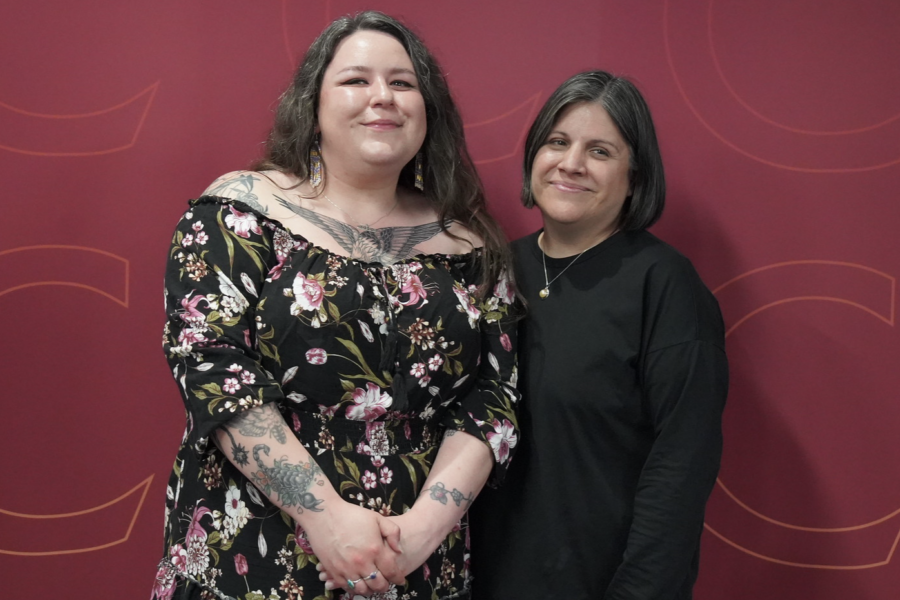
Two women at the heart of this home birth were Taionthahine Nicholas and Patricia Kahentanóron Gabriel. Both are community birth keepers with a vision of restoring traditional, woman-centred care in their territory, and being present at the birth made them confident that they’re meeting their goals.
“It was just so exciting that this vision we had, it really happened,” said Nicholas. “We were planning this for about a year, and it all came together so quickly. It was overwhelming and powerful, but in all the best ways.”
For Nicholas and her fellow birth keepers, the work extends far beyond the act of birth itself. It’s deeply rooted in relationship, cultural revitalization, and lifelong support.
“We support women through every stage of life,” Nicholas explained. “Sometimes you’re like an auntie, a sister, or even like a mother. In the community, everyone knows each other. The work becomes familial.”
For Patricia, the experience was “healing in so many ways.” Both birth keepers see their role not through the Western lens of a doula, but as women fulfilling their responsibilities to their community.
“A ‘doula’ supports women during pregnancy, birth, and postpartum. But as birth keepers, we work with women through all stages of life,” Patricia explained.
“It still feels surreal. It feels like we’re on the right path to bringing birth back home and changing birth culture in our community.”
But the effort isn’t only about supporting mothers.
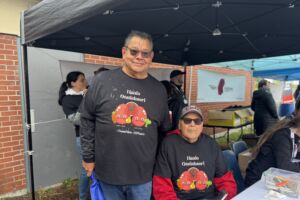



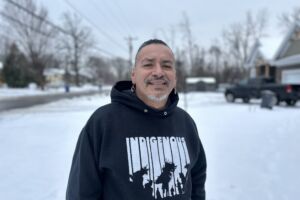

“Birth is ceremony,” Nicholas emphasized. “When you birth at home, it’s reclaiming that ceremony, your autonomy, your right to choose. In hospitals, even when we try to incorporate traditional practices, they often get interrupted by staff, by protocols. At home, it’s yours.”
The team worked with the Blainville Birthing Center to create a warm, culturally rooted sanctuary for birth at Tsontkwahtentionhátie farm.
“We started meeting with designers and builders to bring our homey space to life,” Patricia said. “This could be the start of changing birth culture in Kanesatake.”
Their vision for the future? A web of love and support where one person is cooking, another tending to children, others preparing ceremonial items. “A family affair in the best way,” said Nicholas.
One of the biggest challenges is shifting perceptions around home birth.
“There’s still so much fear,” Nicholas acknowledged. “We’re trying to help people see birth as a beautiful, sacred, and safe thing. We wouldn’t be promoting it if it wasn’t.”
The Tekontateriéntare team is actively addressing this through community education, offering moon time classes, prenatal gatherings, and traditional teachings in local schools.
And for those who are curious but unsure about home birth?
“You don’t have to decide everything at once,” Nicholas said. “Just learn your options. There’s power in knowing what’s available. And no matter how you birth: caesarean, medicalized, NICU we still show up for you. There’s no shame. It’s about support.”
Sign up for email updates from The Eastern Door
In her view, birth keepers are simply women supporting women. “It’s hands-on work, emotional support, sometimes bodywork, sometimes just listening. But really, it’s about showing up.”
“Sometimes it just takes one or two people to start something,” said Warisose. “Look at our Mohawk immersion school, it started small and now it’s everywhere. This will grow too.”
The contrast between hospital and home births is stark, says Nicholas. “When you see how midwives love women, how they prioritize informed consent and make you feel seen, it’s like, ‘Oh wait, maybe I wasn’t properly cared for before.’”
Patricia echoed the sentiment: “It’s not just about delivering babies. It’s about creating a space where women feel safe, supported, and deeply connected to their bodies and their culture.”