All about the alpacas
Fern Marmont The Eastern Door
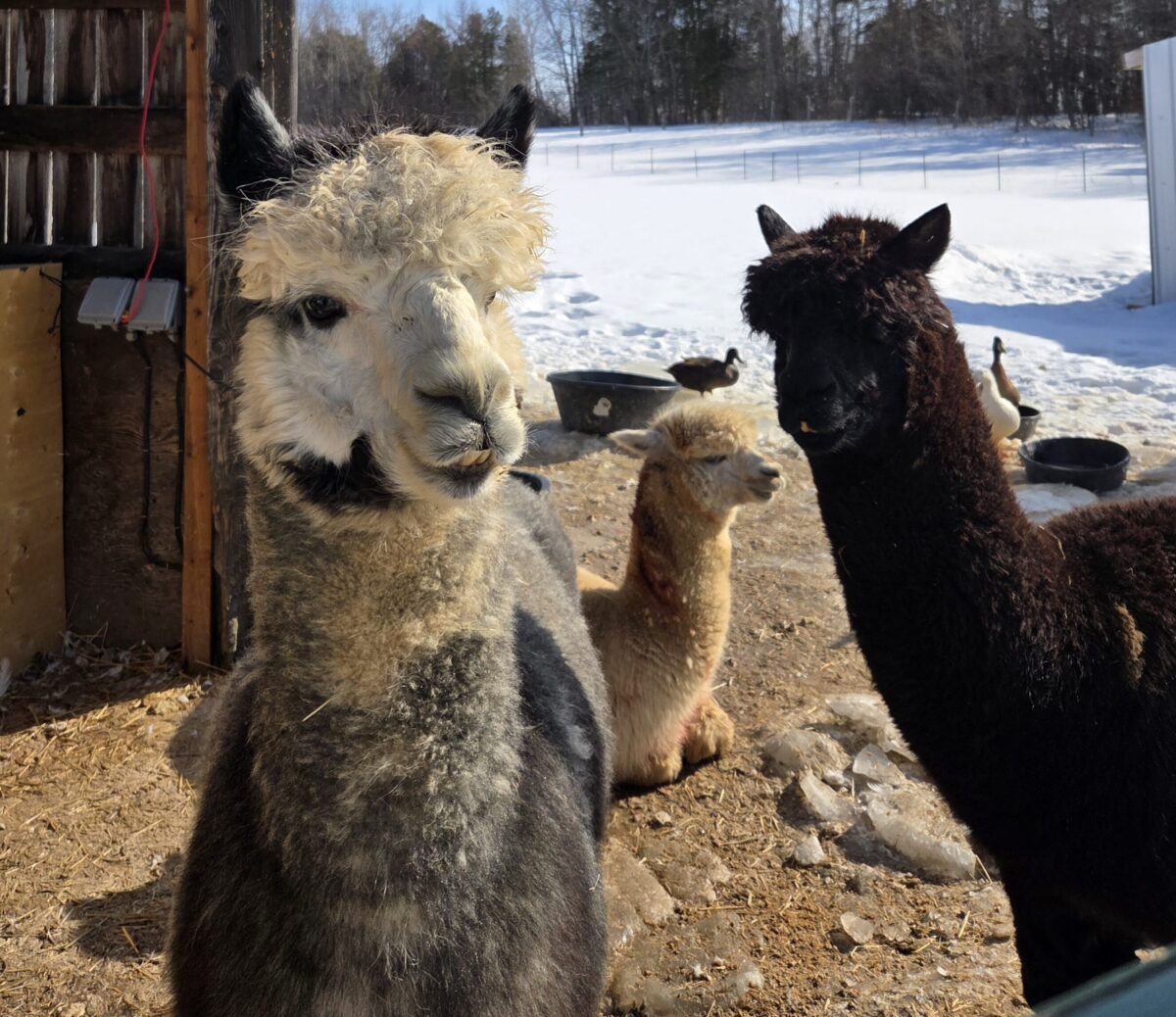
As the alpacas approach their one-year anniversary at Tsontkwahtentionhátie, they have already become one of the farm’s more beloved staples.
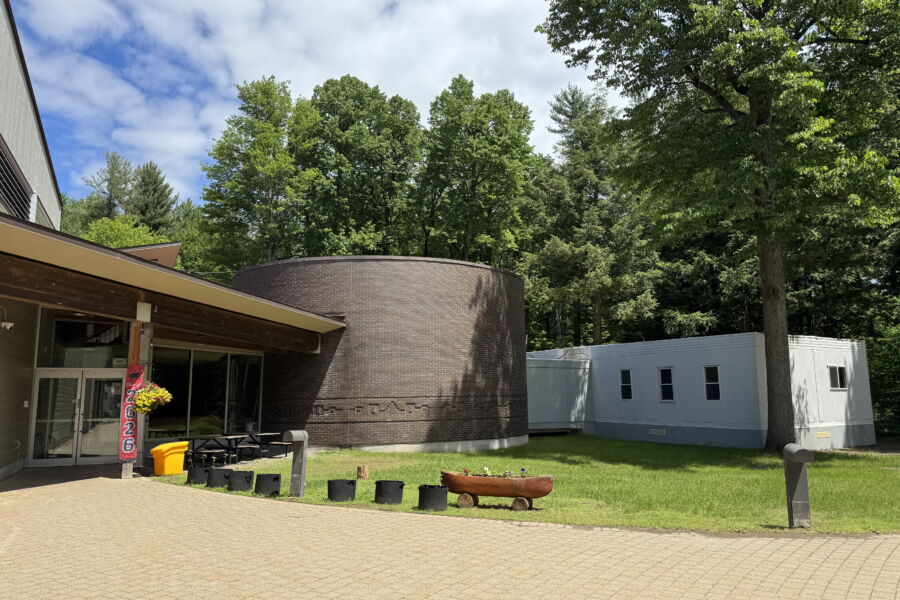
Once owned by Jacob Kanawaién:ton Cree at the Skywatcher Alpaca Farm, the animals were rehomed after Cree could no longer continue with the venture following an injury. This change marked a new chapter in the lives of the alpacas, but also for the Kanesatake Health Center (KHC) Tsontkwahtentionhátie farm itself, which is steadily growing into a space rooted in community, learning, and connection to the land.
“We don’t want to be like a petting zoo,” said Jimmy Nicholas, Indigenous healing and wellness worker at the KHC.
“It’s normalizing that we live with animals amongst us,” said Nicholas. The farm does workshops relating to agriculture and animals towards more natural and traditional ways of farming.
“It’s giving back to the community,” said Nicholas.
While adjusting nicely to their new life at the farm, the alpacas still have their quirks. According to Nicholas, one minute the alpacas will be cuddling, and the next they bicker and posture, occasionally erupting into brief spats where they use their long necks to hit and bite each other, a common behaviour among male alpacas establishing hierarchy. Unlike chickens or pigs, the alpacas are a new experience for the farm’s staff, and much of the first year has been about observing and adapting. Hoof trimming and routine care present challenges, as alpacas can kick or jump if cornered.

“It’s not the easiest to gather them,” said Nicholas. “But we’re learning.”
Winter has brought a new logistical adjustment, with the animals being kept in a more centralized space, with a wind shelter having to be built and warmed water sources installed to prevent freezing.
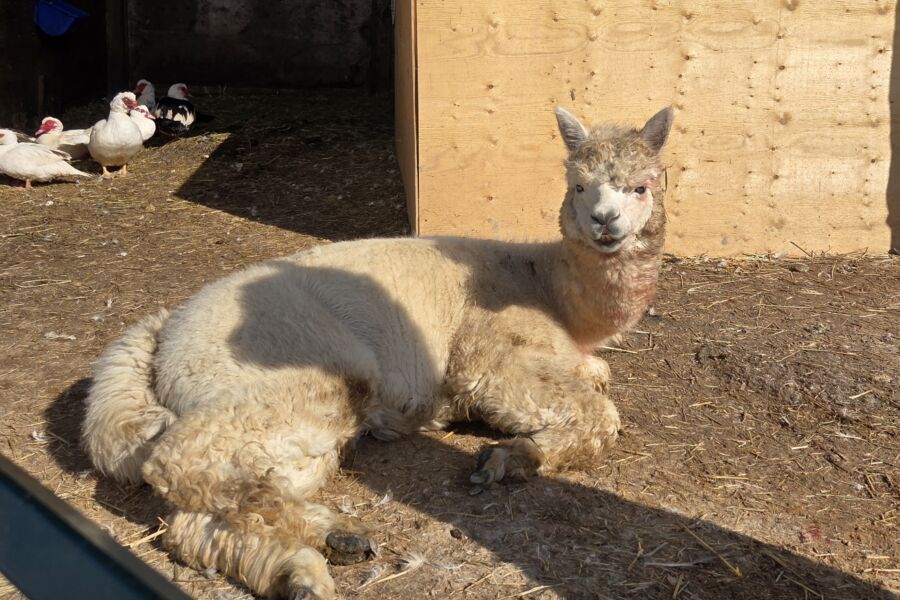
Nicholas has stated that in the coming summer, he hopes to shear the alpacas, clean and process the fibre, and make socks and sweaters – a first-time endeavour for the team.
For community members like Myrna Gabriel, the alpacas represent more than livestock.
“They can change your mood in a second. There’s this calmness and curiosity about them,” she said.






Gabriel has never visited the alpacas in person but was a fan and follower on social media from their Skywatcher Farm days and suggested she was happy to see them stay in Kanesatake.
“The community can have something to be proud of that will produce and encourage more positive things, even if it is a fuzzy fur ball,” said Gabriel. “I think it’s good for creating an open, healthier-minded space, like how can one be negative around alpacas?”
Seven-year-old Forest Nicholas is also a fan of the animals. He laughs about their buck teeth and looks forward to wearing alpaca socks.
“They’re cute,” he said when asked about the animals’ eyes.
Patricia Kahentanóron Gabriel, a birth keeper at Tekontateriéntare, shared that the alpacas are already having an impact on the community.
She said that during the three births at the centre, while the mother is in labour, they would go on a walk past the alpacas.
Sign up for email updates from The Eastern Door
“It’s like they know there’s a mom working really hard to bring her baby Earth-side,” said Patricia. She explained that the alpacas, a usually high-energy animal, would calm down and watch each mother as they walked by.
“We had a mom have to squat down because of the contraction, and the alpacas would go down with her and watch her,” said Patricia.
Fern Marmont, Local Journalism Initiative Reporter