Mothers take fight to Ottawa
The Mohawk Mothers, also known as the Kanien’kehá:ka Kahnistensera, have filed a motion in Ottawa with the Supreme Court of Canada, seeking an independent investigation into possible unmarked graves at the site of the former Royal Victoria Hospital site.
The area is currently being excavated for a redevelopment project known as the New Vic, which will be the site of a new teaching hospital as part of McGill University.
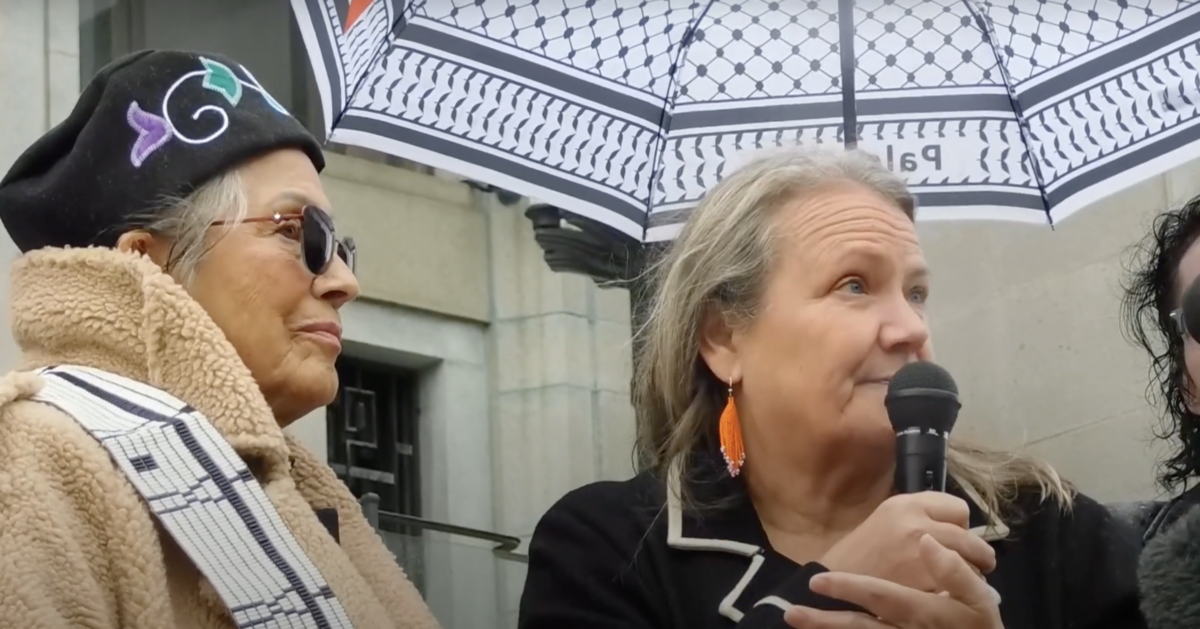
“Today, we stand in front of the Supreme Court of Canada facing a political violation by the people of Canada that we wish to bring to justice,” said Kahentinetha, one of the Mothers.

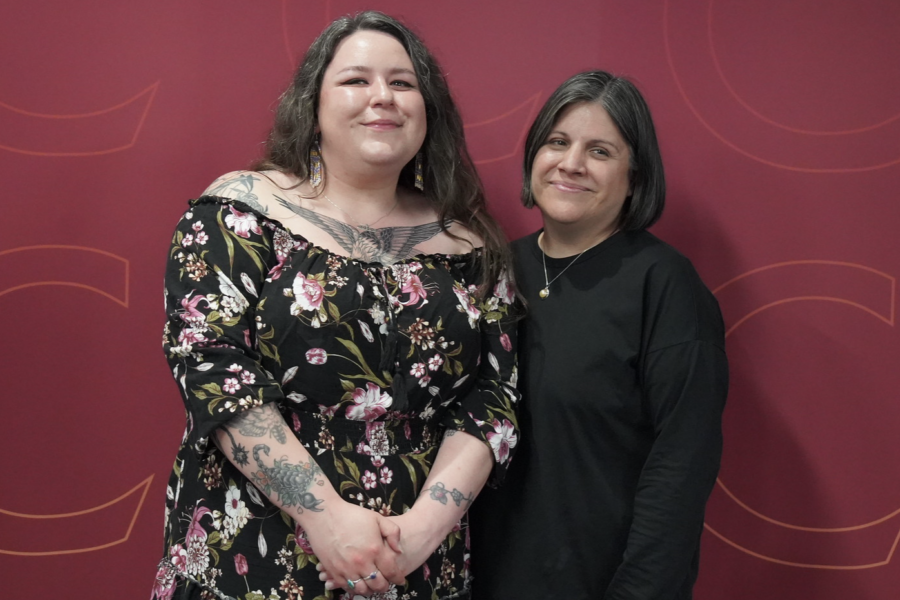
She and Kwetiio, also a member of the group, were joined by Kimberly Murray, the independent special interlocutor for missing children and unmarked graves associated with Indian Residential Schools.
“As we got closer to the truth, when we found bones, when we had human remain detection dogs scent human remains, when we found shoes of children, everything was getting shut down, and the lawyers were not practicing law, or lawyering for reconciliation,” Murray told reporters.
She said the group has her support in their pursuit of justice. Her office has been involved in the case as an intervenor and has been represented by lawyer Julian Falconer.

“I support this,” she said. “It’s of national importance. We do not have a national law to protect the burial grounds of Indigenous ancestors.”
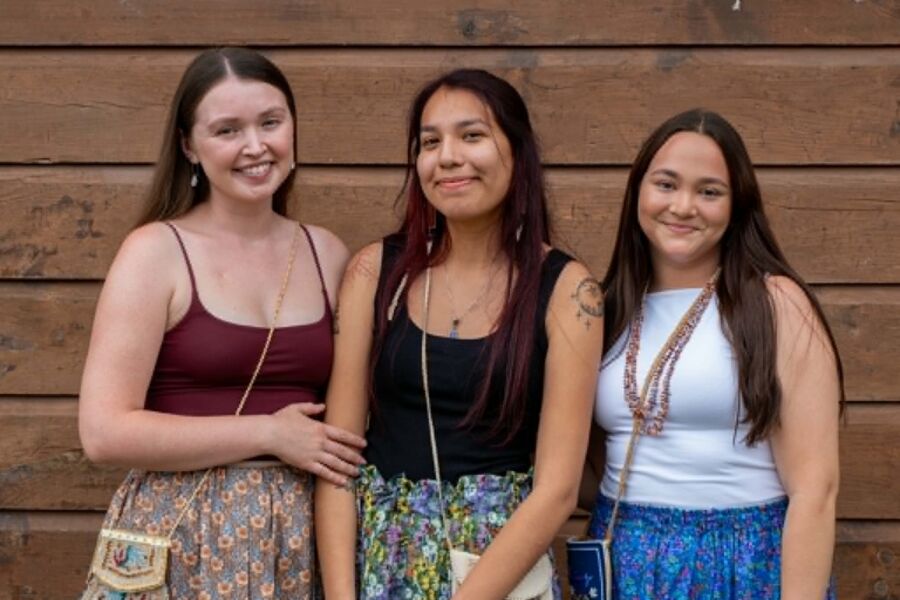
Fellow Kanehsata’kehró:non Karonhianóron Dallas Canady-Binette also spoke outside the court and shared their experience as a cultural monitor on the site, where they have worked for the last two years. They are currently studying anthropology at McGill and are pursuing work in the field of archaeology.
“I know no other archaeologists that have had the police called on them in the middle of doing their job. I can think of no other field site that looks and operates like an open-air prison,” they said. “Perhaps it was naive of me to believe that my university, and the province of Quebec, would agree that protecting the unmarked graves of Indigenous children was more important than a campus redevelopment project.”
Sign up for email updates from The Eastern Door
Kwetiio also emphasized the long legal journey that the Mothers have been on.
“Our people have had enough. We’ve had enough of being treated like our lives matter less. Enough of being treated like people doomed to disappear,” she said. “We’ve had enough of the government giving us the runaround when we try to defend our rights. Enough of waking up prepared for this next government initiative designed to get rid of us.”
The Supreme Court chooses which appeals it will hear, so the next step will be for the Court to decide whether the Mothers’ filing will proceed through the court.