Murray reviews mandate
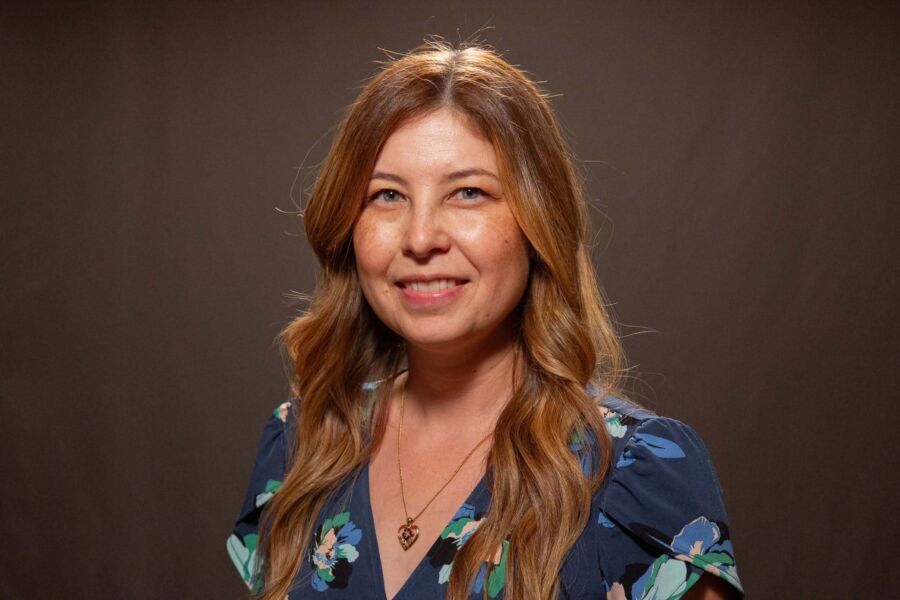
On December 12, the mandate of the special interlocutor for missing children and unmarked graves and burial sites associated with Indian Residential Schools will come to an end. The office, which has been held by Kanehsata’kehró:non Kimberly Murray since 2022, has been responsible for holding seven national gatherings, as well as compiling reports of the lived experiences of the victims and families of the residential school system. Her office’s final report, released last month, details 42 obligations for Canada to implement going forward.
The Eastern Door spoke with Murray to reflect on the past two years, and the future of reconciliation work in Canada.
This interview has been edited for length and clarity.
Q: What was the experience of gathering survivor testimony like throughout your mandate?
From the beginning, just working with my team and going out and hearing from communities, we had to adjust and adapt. As I kept meeting with communities and hearing from survivors and organizations, it became very clear that this report was going to be bigger than what we thought it was going to be. There were just so many areas to research and write about and address, and it’s not enough just to tinker with little pieces of legislation, there are some significant, big things that need to happen.
Q: What was the starkest realization you made during your time as special interlocutor?
I think the finding that kids are “disappeared” by the state is probably one of the most important things we wrote about. That came maybe midway through my mandate, where I really started thinking about it and looking at international law and talking to international experts, and it became clear to me that we need to refocus and change the narrative around these kids being “missing” and identify that these kids are “disappeared.”

That triggers certain obligations internationally that Canada has under international law, including under the United Nations Declaration on the Rights of Indigenous People (UNDRIP), the Convention on the Rights of the Child, and so on. I really wanted to build that case that Canada is breaching its international obligations but it’s also breaking its commitments and obligations to Indigenous people under Indigenous law as well.
Q: What was your main motivation throughout your mandate?
From the very beginning, we talked about how survivors and community members and family members have been saying that there’s no justice or accountability. So, I really wanted to find out why that is and identify how we can get that justice and accountability. When we started seeing the things Canada has done and put them all out in a list, it became very clear how they’ve given themselves this amnesty.
Q: What did it feel like to finally be able to present that final report to survivors?
With everything, you’re a little worried, in the sense of, did I get this right? What will survivors think? What will community members think? But it was really important to me the morning that I released the report to meet with the 400 attendees at the gathering, the survivors and the elders, and the teams doing ground searches. I met with them in a closed setting, there was no media in the room, and I told them what was coming, and what my thinking was. I explained the obligations, because I didn’t want survivors to hear it for the first time when I was giving it to the government.
Q: Attorney general Arif Virani was at the Gatineau gathering last month to accept the report. What was it like handing it to him, and what has his response been?
My mandate is under the attorney general. I’m not going to say I’m disappointed that the prime minister wasn’t there, but I would have thought more than just one minister would have been there to receive the report. There were three or four ministers in the audience from other departments, but I guess they weren’t given approval to speak. I had offered to set it up as a panel if they had wanted to, but that wasn’t the case.

I’m yet to receive any kind of response from them concerning the report. I’m going to write a letter to minister Virani asking him for a response before my mandate ends on December 12.
Q: What has the public response been to the final report and your work throughout your mandate?
There’s groups of Canadians that have been denying Indian residential schools from the beginning and they keep moving their posts. I gave the evidence in my report Sites of Truth, Sites of Conscience with photographs of kids being buried, and they just changed it to saying “Well they died of illness.” I think the closer we get to the truth, the more adamant they are, and the more coordinated they try to get.
Ever since I released Sites of Truth, Sites of Conscience in July, I’ve been doing presentations to all kinds of people, from university students, to ombuds offices, to government, to businesses. One of the things I find really impactful is putting the images up, talking about the cemeteries and showing pictures of them, telling the stories of the families that I wrote about and how they found their family members after years.
I think that’s really eye-opening for Canadians to see. I encourage people to follow the evidence in my report, read that letter from the principal or the Indian agent, and you decide whether that child died, and why.
Q: What are your feelings as you prepare to leave your role?
The people I’m worried about most are those families I’ve helped that won’t have someone there to help them. Today I was connecting a family with a forensic pathologist; who’s going to be there to do that for them now? When I think about all the families that I write about and that I helped find burial grounds of their family members, there’s not an entity now that’s going to be available to do that. I just don’t think the National Centre for Truth and Reconciliation has the skills or ability to help families because they’re an archive, they’re not doing investigative work.
Sign up for email updates from The Eastern Door
I worry about that type of situation. I’m not worried about leadership being able to advocate around the report.
Q: What’s next for you?
I’ll be joining the Queen’s Law faculty in January. I’m going to be a Queen’s national scholar in Indigenous Legal Studies, so I’ve created a course that I’ll be teaching called “Lawyering for Reconciliation” for upper-year students, and I have tenure, which is great. I’ll be working with faculty on doing the curriculum in response to the Truth and Reconciliation Commission’s Calls to Action for mandatory curriculum at law schools, because Queen’s doesn’t have that yet.
I’ll be continuing research, in particular about crimes against humanity against Indigenous people, and building the case that all these different crimes did happen.
I’m just really hoping to be able to contribute to teaching Indigenous laws, and bringing community into the university so that it’s not just me doing the teaching - I want to ring in elders, and survivors, and community members too.
All reports from Murray’s office can be found online for free at osi-bis.ca.
[email protected] email