High-speed train engagement session
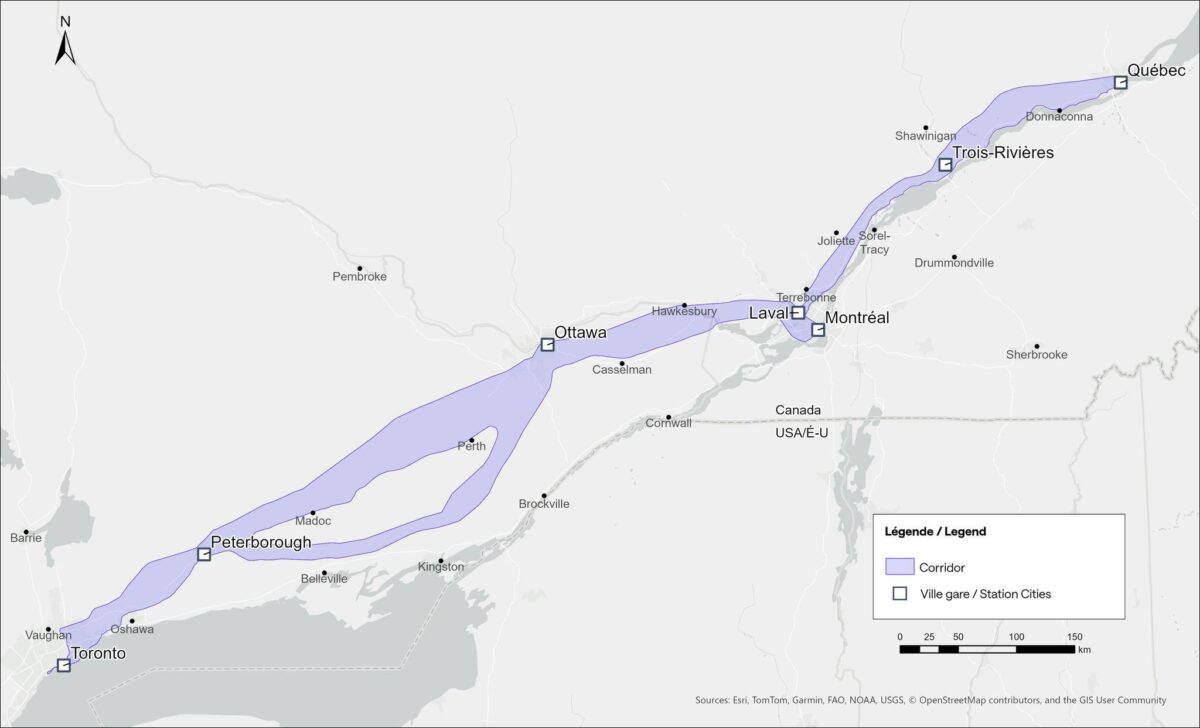
courtesy Alto facebook page
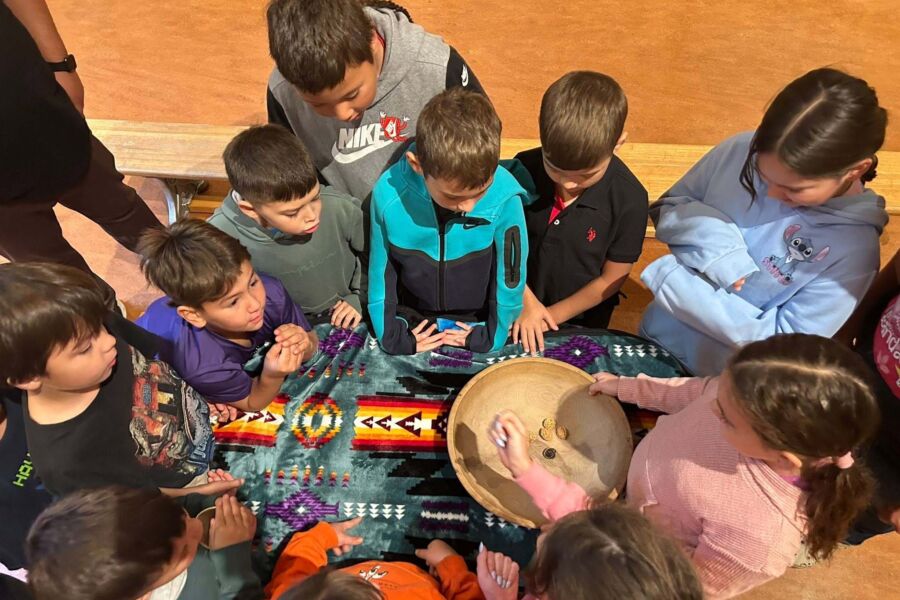
A community engagement session gathered opinions of Kanehsata’kehró:non on Alto, a major high-speed train project set to run through ancestral Mohawk land, to help inform the Mohawk Council of Kanesatake (MCK) and Alto representatives on the community’s position.
Community members filled out surveys and were informed of the estimated $60 to $90 billion high-speed train project, Alto, in a session organized by the MCK department for Kanesatake Economic & Business Development on April 3 (yesterday) after The Pines Reporter’s publishing deadline.
Survey results will give the council a foundation as to how they will respond to the high-speed train project in the future, said caretaker council member Brant Etienne.
Some results will be shared with Alto representatives, said MCK economic development manager, Tracey Bonspiel. There is no agreement between Kanesatake and Alto.
“We will sit with Alto and make sure that they’re aware of our concerns,” said Bonspiel.
Alto, the proposed high-speed railway project connecting Toronto, Ottawa, Montreal, and Quebec City, is projected to travel 300 km/hour in a route that will connect almost half of Canada’s population.

The Alto project will not travel through Kanesatake, said Bonspiel. A projected line will run north of Kanesatake, in part through ancestral Mohawk lands, said Bonspiel, from Laval, then to Mirabel and through Saint Andre d’Argenteuil.
First introduced by former prime minister Justin Trudeau in early 2025, current prime minister Mark Carney announced the continuation of Alto’s development under his “nation-building projects,” while promising that a new Major Projects Office would cut development of the original eight-year timeline in half to allow construction to begin in 2030.
Carney also promised new business development teams would work with Indigenous Peoples to advance these and that an Indigenous Advisory Council would “help ensure that reconciliation and partnership are built into every decision,” according to a 2025 press release from the Prime Minister’s Office.
So far, Bonspiel said Alto representatives have been collaborative and informative with the community. They’ve regularly reached out to keep the team informed of the project and take the initiative to book meetings, said Bonspiel.
Etienne confirmed a few meetings were held between the MCK and Alto workers to discuss the project, with the first being around November 2024.
For community member Myrna Gabriel, the fact that the project is expected to pass through ancestral land and disturb wildlife and farms is reason enough for it to be cancelled.




“We don’t need it. We’re doing fine without it. Let’s not ruin what’s not broken,” said Gabriel.
“Why inconvenience? Don’t displace the cows for a train track.”
Kanehsata’kehró:non have stopped train development projects in the past, and they can do so again, she said.
“At this time in the 1940s, our ancestors were strong and opposed the train tracks coming through,” said Gabriel. “I think we need to tear a page from their book and respect what they fought against and continue on with not being supportive of the project.”
In contrast, community member Melissa Kahnekiio Gabriel is still on the fence about the project but wants to ensure it is developed fairly.
“They need to do something to ensure that the farmers are not cut off from their fields. They’re not cut off from their livelihoods,” said Melissa.
Sign up for email updates from The Eastern Door
“Otherwise, it’s not fair.”
No permanent decisions on how the MCK will respond to the train project will be made based on the community engagement session and the survey results, said Bonspiel.
The community can expect more sessions like these, and more information shared in the future.
“There’s still a lot of things that will take place, and a lot of communication that’s going to go back and forth,” said Bonspiel.
Hadassah Alencar, Local Journalism Initiative Reporter