Essential winter camping tips
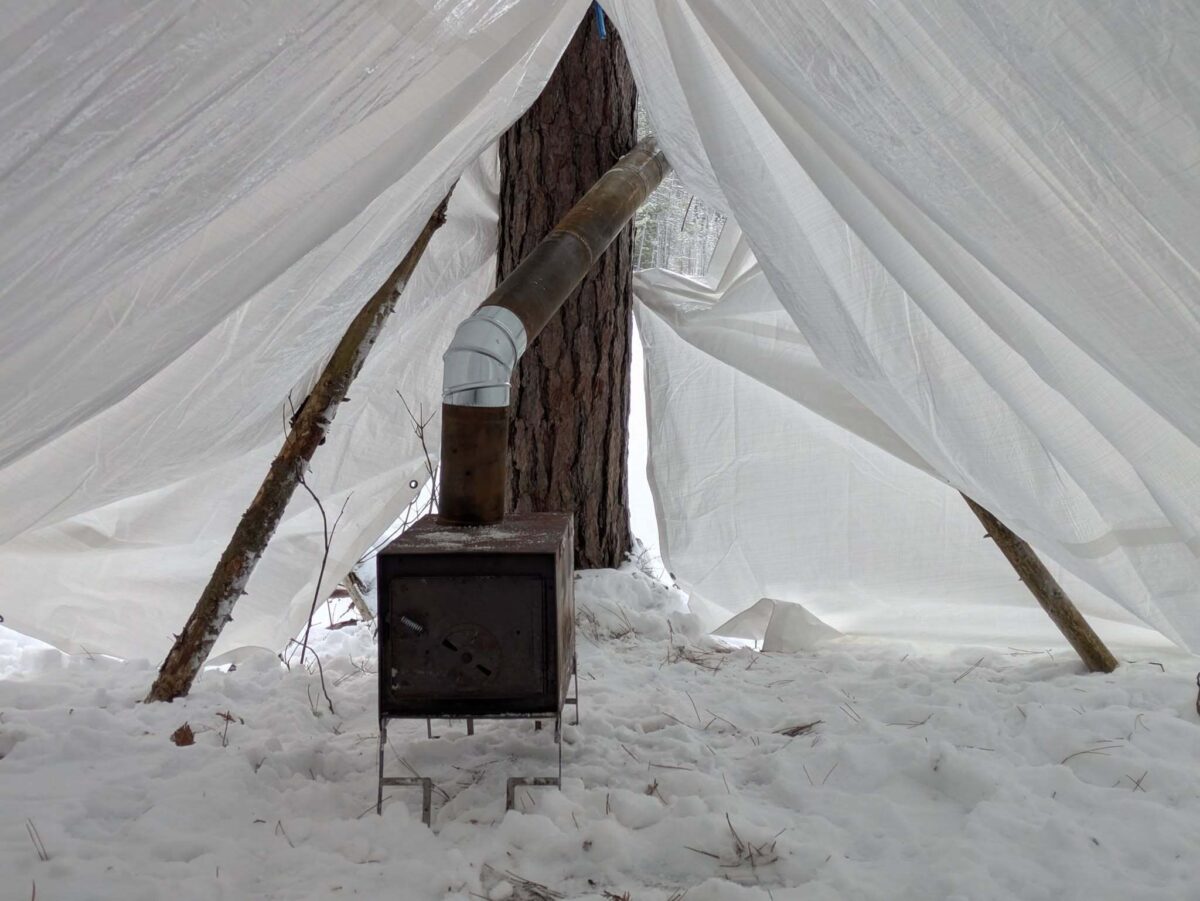
Winter camping can be beautiful and rewarding, but only if you stay warm and protected. Here are practical, easy-to-follow tips to help you stay safe and comfortable during cold-weather camping.
Winter camping is all about preparation and insulation. With the right layers, gear, and strategic warmth techniques, you can enjoy cold nights outdoors safely. For the adventurous sort, it can be a great way to take advantage of extra time during the holidays.
1. Plan ahead
- Know where your headlamp, gloves, and layers are before dark.
- Keep essentials inside your tent or vestibule to avoid freezing.
- Check weather forecasts and avalanche conditions.
- Identify emergency shelters and exit routes.
- Share your itinerary with someone back home.
- Use trekking poles or ice axe for more remote areas.
- Bring a snow shovel, first-aid kit, headlamp, and spare batteries.
- Test your gear before you go.

2. Get good sleeping gear
The cold ground pulls heat from your body more than the air does, so proper insulation underneath you is essential. Use foam pads underneath your mattress to keep the cold from seeping in. Choose a sleeping bag rated at least -12 C to -6 C below expected temps.
Insulated inflatable sleeping pads prevent cold air from getting into your mattress.
A high-quality sleeping bag and extra blankets are key.
Use a winter-rated sleeping bag, and a sleeping bag liner for extra warmth.
3. Choose the right tent
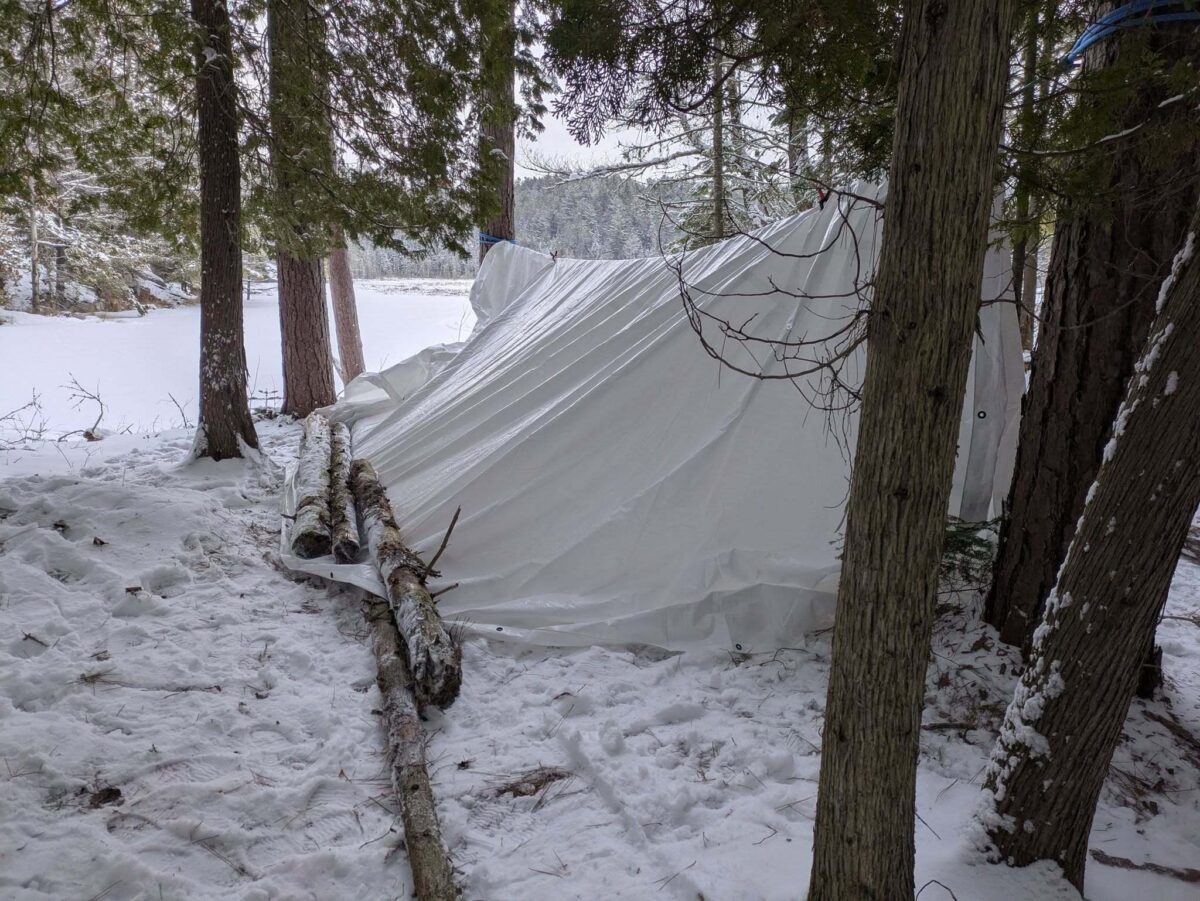
A tent reduces wind chill and snow exposure significantly. Look for a solid, durable tent, and avoid fiberglass poles. Choose a tent that blocks wind effectively. Four-season tents are ideal because they have less netting and handle cold better. Double-wall tents help reduce condensation. If you only have a three-season tent, place a tarp over it to help cut the wind. To insulate around the tent, pack snow down so no air can seep through.
4. Use a bivy for extra warmth
A bivy is an ultralight, minimalist shelter, essentially a weather-resistant cover for a sleeping bag designed to protect a sleeper from wind, rain, and ground moisture. Its function is to provide quick, compact shelter for backpackers, climbers, and campers. A bivy sack helps keep your body heat close to you, acting like a cocoon. Using a bivy inside your tent can double your warmth.





5. Keep your gear warm
Use a synthetic or merino wool base layer to absorb moisture. Pack two pairs of gloves (one waterproof, one insulated) and two hats.
Put a hot water bottle (sealed tightly!) near your core or feet before bed. A hot water bottle inside your sleeping bag is a game changer.
Dry damp socks by tucking them inside your bag while you sleep.
6. Eat before bed
Eating a snack before sleeping helps your body produce heat as it digests. Eat calorie-dense foods like nuts, cheese, beef jerky, chocolate, and hot meals. Your body burns extra energy staying warm. Warm drinks help maintain comfort.
7. Use fire safely
If you build a fire, place something behind it (like a log or rock) to reflect heat toward your tent. Keep fires at a safe distance to avoid sparks damaging the tent, though, and never build a fire too close.
Carry waterproof fire starters. Build your fire on a solid base and use logs or a fire pan if the snow is deep.
Sign up for email updates from The Eastern Door
8. Choose the right stove for cold weather
Isobutane stoves are more efficient than propane stoves. They are reliable in cold temperatures and lighter to carry.
Alternatively, you can cook over a fire if conditions allow.
Using a stove designed for cold weather will work too (white gas generally outperforms canister stoves in deep cold).
9. Wear dry, warm layers to bed
Bring extra socks, preferably wool, and reserve a completely dry pair for sleeping.
If you have thermal underwear or wool base layers, wear those to bed. Only sleep in clothing that is totally dry, moisture will make you cold fast.
Wear a warm hat and use a neck warmer over your face. Use a base layer (moisture-wicking), insulating layer (fleece/down), and shell layer (windproof/waterproof).