Advisors get to work
Seven Kahnawa’kehró:non are participating in an advisory process that seeks to add more community consultation to the Mohawk Council of Kahnawake (MCK)’s governance process, as part of the Governance Document Review project announced in January.
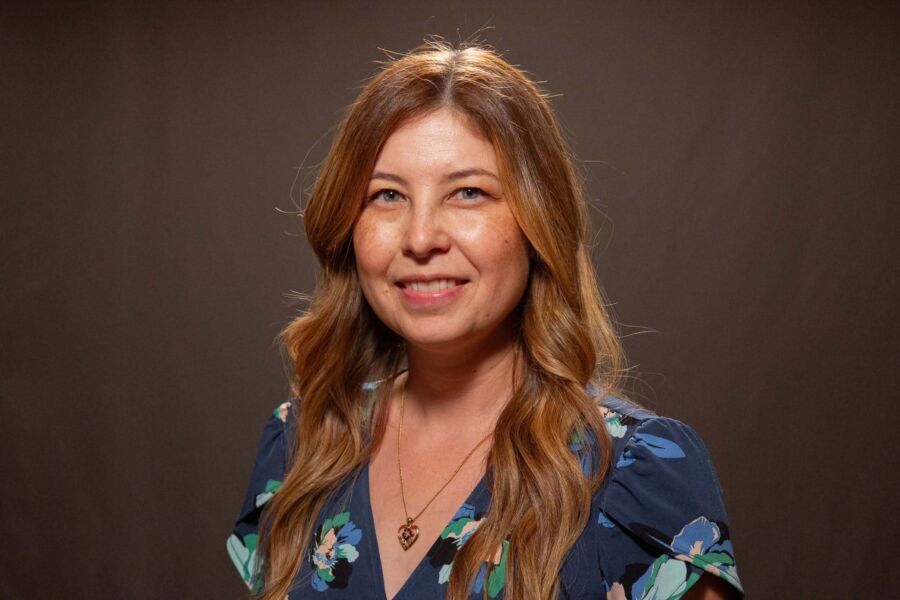
The seven individuals are Darlene Alfred, Allan Beauvais, Heather Jacobs-Whyte, Marnie Jacobs, Carrie-Layne Marquis, Shotehra Rice, and Michael Thomas. All community members who responded to MCK’s call for participants to join the advisory team were selected, said MCK chief Tonya Perron, who leads the governance portfolio on Council, with the only eligibility requirement being that members must be on the Kanien’kehá:ka of Kahnawake Registry (KKR).
“It’s really about asking what the expectations of the community are for our conduct, and the rules and responsibilities of their elected officials,” said Perron. “We’ve developed (documents) internally over the years, and they’ve been through a number of revisions, but they never were brought out to the community to do a check-in or validation to say ‘Is this what you want? Did we do it right?’”
The group will give their input on five internal governance documents that have been developed over the years, including the Code of Conduct for MCK chiefs, and the Council’s Administration Guidelines.
“We decided this term that given where these documents were now, they were as comprehensive as could be, and it was time to get that feedback from the community, and see if there was anything that needed to be modified, removed, reworded, or whatever the case may be,” Perron said.

The group has already met twice, and intends to meet on roughly a weekly basis. As part of the project, each document will be turned to the community at large for a 30-day engagement phase after they’ve been reviewed by the advisory team.
The group is working on a consensus basis when making decisions, instead of by vote.
“They’re trying to always find what’s acceptable to the whole group,” Perron said. “But in the event of any stalemate, they may proceed with other means to come to some kind of a decision, or it may just be left that there are two positions put in there, and when it comes to community engagement there’s maybe some more concrete direction given as well.”
After documents go through the process of being reviewed by the team and by the community at large, they would eventually be passed and approved via a Mohawk Council Executive Decision (MCED), after which the MCK would be bound by the documents.
The only caveat is that the documents can’t include illegal activities or activities that aren’t possible to carry out.


“When it comes to labour issues or human rights matters, we have to be careful,” Perron said.
Though Perron is the Council chief that oversees the governance portfolio, she emphasized that she and fellow MCK chief Jeffrey Diabo are not interfering in the advisory team’s work, instead working in an oversight role by keeping track of the suggested changes, organizing meeting minutes, scheduling, and booking rooms.
“The team itself are the ones going through it with a fine-toothed comb,” she said, noting that she and Diabo can provide additional information to team members who may want more context or historical understandings for certain parts of the documents.
The project has a flexible timeline, but Perron wants to make sure documents are validated in a timely manner, to ensure effective governance at the Council table.
“I don’t want to deny any opportunities to have the dialogue and do what we need to do,” she said.
Sign up for email updates from The Eastern Door
The activities of the Governance Document Review project are separate and unrelated to the Governance Project led by Taiaiake Alfred.